
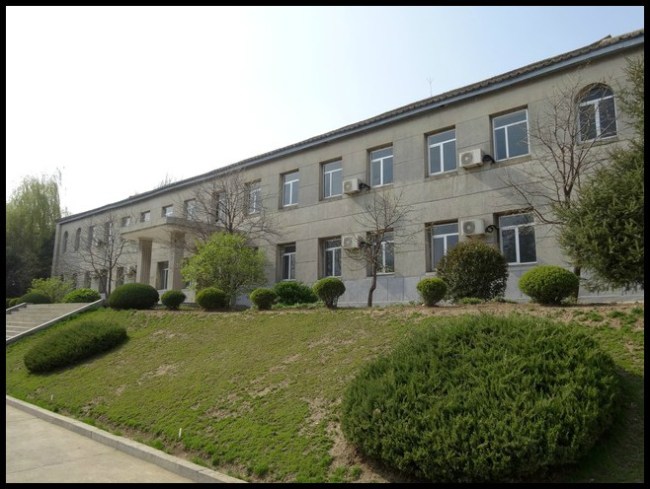
Those who have read others of my North Korea entries will be aware of what North Korea thinks of the United States. Since 1866 when the US warship, the General Sherman, was destroyed and all its crew killed after it sailed up the Taedong River seeking to engage in trade with, and land missionaries in, the country against the expressed wishes of the Korean Imperial Court, the United States has been seen as the very devil incarnate. The US continues to be held responsible for everything negative in North Korea. Every opportunity to demean, belittle, humiliate and insult the US is availed of. Continue reading “Sinchon Museum of American War Atrocities”
Nampo – North Korea’s Industrial Region
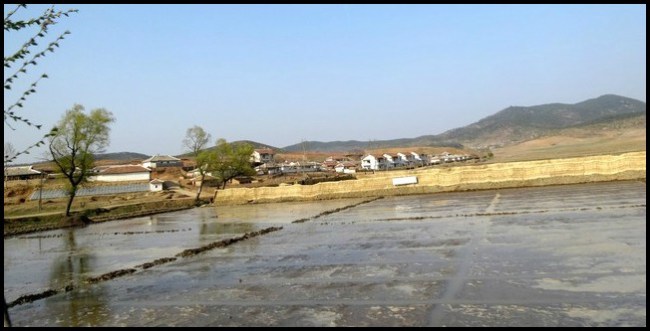
Nampo (or Namp’o), having started out life as a small fishing village, is now North Korea’s most important industrial and port city. It is located about 50 kms to the south west of Pyongyang and 15km from the mouth of the Taedong River. Continue reading “Nampo – North Korea’s Industrial Region”
The Marble Arch and Cladagh River Walk
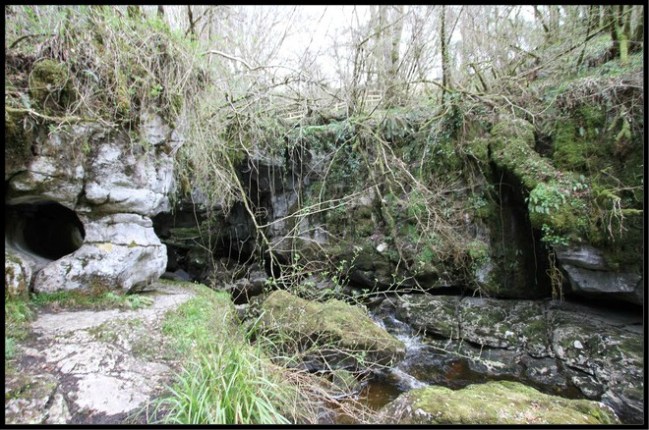
While the Marble Arch Caves are in themselves a primary tourist attraction in County Fermanagh you should certainly try and allocate a bit of extra time to your trip here so that you can have a walk overground in this beautiful part of the County. Continue reading “The Marble Arch and Cladagh River Walk”
Marble Arch Caves
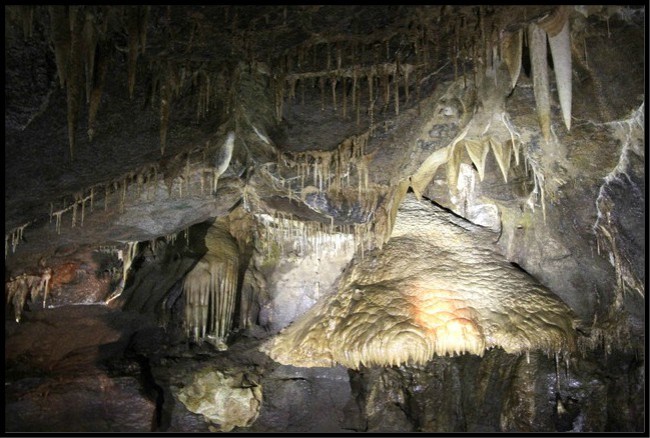
The UNESCO recognised Marble Arch Caves Global Geopark is host to the Marble Arch showcaves which include fascinating natural underground rivers, waterfalls, winding passages and lofty chambers. Continue reading “Marble Arch Caves”
Florence Court House and Gardens

This National Trust property was the home of the Cole (Earl of Enniskillen) family from the early 1700s to 1973.
The Cole family, originally William Cole, arrived in County Fermanagh from Devon, England, in around 1612 when he was awarded the island of Enniskillen as part of the Plantation of Ulster. Continue reading “Florence Court House and Gardens”
Secure Everlasting Love in Lisnaskea

Lisnaskea is the second town of the County of Fermanagh in Northern Ireland with a population of 2,500.
A Corn and Potato Market was established in the centre of the town by the 3rd Earl of Erne in 1841 and this Celtic cross – the “Adam and Eve Cross” on a much older pedestal (the “Barter Stone”) – was placed in the market square. Continue reading “Secure Everlasting Love in Lisnaskea”
Castle Balfour, Lisnaskea

Sir James Balfour, a Plantation undertaker from Fifeshire, Scotland, built Castle Balfour in around 1618 on the edge of a low limestone cliff on the edge of the present town of Lisnaskea to assist in the securing of the plantation of Ulster, occurring at this time. Continue reading “Castle Balfour, Lisnaskea”
Devenish Island – Monastic Site

Devenish Island, on the southern end of Lower Lough Erne and 1.5 miles downstream from Enniskillen is one of the best preserved monastic sites in Ireland. It was founded by St Molaise in the 6th century. On the island are the ruins of a monastery, two churches/ graveyards, an oratory and one of the finest round towers in Ireland. Additionally there is a small museum, worthy a look, and toilet facilities on the island. Continue reading “Devenish Island – Monastic Site”
M.V. Kestrel – Tours on Lough Erne

In my review on Devenish Island I note that there are a number of ways to get to the island, one of the best preserved monastic sites in Ireland. One of these is to take a tour on the M.V. Kestrel, from the Round ‘O’ Jetty in Enniskillen. While seasonal and tours are subject to minimum numbers, this is probably the most reliable way of getting to Devenish Island – a must see on your visit to Co Fermanagh. Continue reading “M.V. Kestrel – Tours on Lough Erne”
Portora Castle
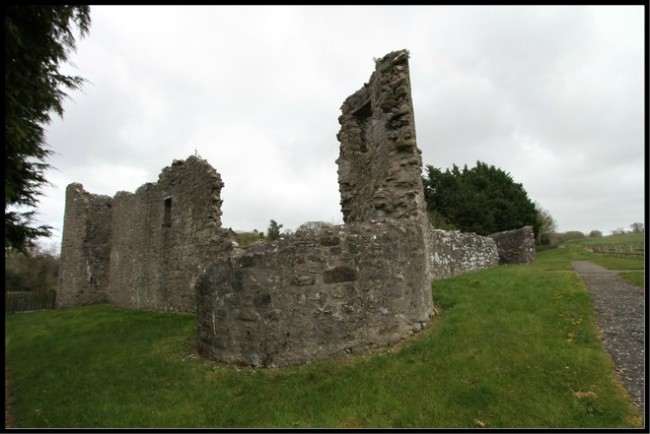
Portora Castle is located on the south bank of the River Erne overlooking the narrowest part of the river before it widens into Lower Lough Erne. Archaeological digs have recovered Stone Age axes, Bronze Age swords and Iron Age ornaments proving that this has been an important and busy crossing point between the provinces of Connacht and Ulster back to prehistoric times. Continue reading “Portora Castle”
 The Rambling Wombat