Horden Park -How The Headland Used To Be

21

Hordern Park is named after Mr A J Hordern, whom the Sydney Morning Herald referred to as ‘ one of her {Sydney’s} most competent and kindly tree and flower lovers’ on his death in 1932. It is a small park located at the southern end of Palm Beach providing access between the beach and Florida Road – about half way up the headland where you can admire some of the grandest residences in Sydney, particularly if you continue on up (via a set of very steep steps located across Florida Road from the Park) to Pacific Road, atop the headland. Continue reading “Horden Park -How The Headland Used To Be”

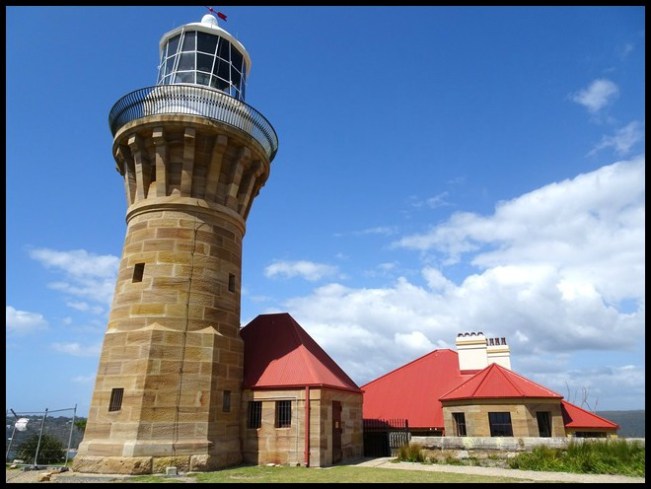
Barrenjoey Lighthouse & Its Luckless Early Keepers

11

At the northern end of the Pittwater Peninsula, Barrenjoey Headland commands the entrance to Broken Bay, the Hawkesbury River and The Pittwater. Throughout the 19th century The Pittwater (see my separate review) was an important shipping route giving access to Sydney, used by legitimate traders and smugglers alike. It also provided temporary safe anchorage for passing ships seeking to escape a storm. Safe access to it from the ocean was an imperative. Continue reading “Barrenjoey Lighthouse & Its Luckless Early Keepers”

Pittwater And Barrenjoey Beach

1

While I had heard of The Pittwater I actually visited the northernmost part of Sydney’s Northern Beaches Council Area to see Palm Beach and the Barrenjoey Lighthouse and because the Lighthouse was to be the starting point for my coastal walk from here, the most northerly point of Greater Sydney, to Cronulla Beach, some 100kms south and the city’s most southerly beach. The full walk will be done over an unspecified period of time! Continue reading “Pittwater And Barrenjoey Beach”

Former District Court House

14

Without knowing a little of the history of country New South Wales towns such as Young, Cooma and Goulburn (and there are others) your initial encounter with court houses in these places will undoubtedly cause raised eyebrows. Like me, you will wonder why such grand court houses were built in what are today are rather modest towns in most other respects. Continue reading “Former District Court House”

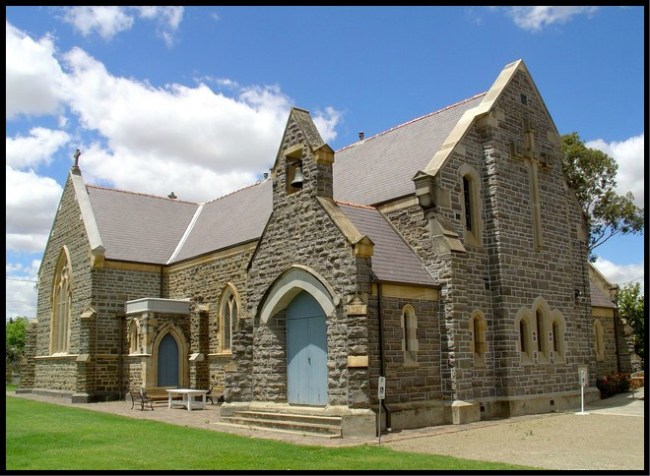
St John the Evangelist’s Anglican Church

10

The first white settler to arrive in Young was the aptly named James White an ex-convict who arrived in 1832. Having befriended Cobborn Jackie, a chief of the Waradjeri Aboriginal tribe, he secured a homestead site at Burrangong Creek, Young. White and his family lived here pretty much undisturbed until June 1860 when gold was found at one of his sheep camps – Lambing Flat. Continue reading “St John the Evangelist’s Anglican Church”

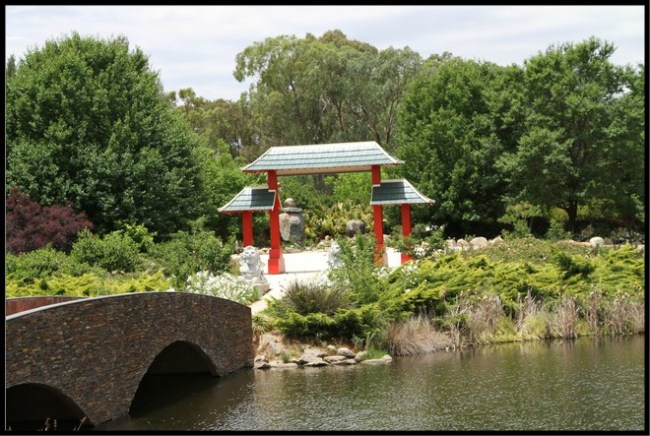
Lambing Flat Chinese Tribute Garden

6

In 1860 around 2000 Chinese prospectors were drawn to Young, lured by the possibility of making their fortunes in the goldfields. Within months gold reserves were dwindling and European miners, resentful of the well organised and successful Chinese miners, banded together to drive Chinese prospectors out of town. See my Reading the Riot Act review for more detail on the shocking treatment meted out to the Chinese at this time. Continue reading “Lambing Flat Chinese Tribute Garden”