

There are three Botanic Gardens in the Adelaide area:
The Adelaide Botanic Garden
Mount Lofty Botanic Garden, and
Wittunga Botanic Garden.
The now 125 acres Adelaide Botanic Garden which opened to the public in 1857, at the Eastern end of North Terrace, is the most accessible of the three. That doesn’t mean you should only go there. They are all very different and each very much worth a visit (separate reviews on the others).
The Adelaide Botanic Garden is packed with things worthy of your time. You could easily spend a day in here. Allow yourself at least 2-3 hrs and more if you want to eat. Take a map from the information stand as you enter the gardens and just stroll around.
Inside at the Garden

The Palm House – A restored Gustav Runge designed Victorian glasshouse imported from Bremen, Germany in 1875. It is thought to be the only one of its kind still in existence. Contains a collection of plants from the island of Madagascar.
Bicentennial Conservatory (main picture above)- Designed by South Australian architect, Guy Maron and built in celebration of Australia’s 1988 Bicentenary. It is the largest single span conservatory in the southern hemisphere and contains a lush display of lowland rainforest plants from northern Australia, Papua New Guinea, Indonesia and the nearby Pacific Islands. Keep and eye out for noisy pitta birds, stick insects, spiders and centipedes.
Amazon Waterlily Pavilion – built in 2007 and as its name suggests its contains a beautiful selection of Amazon waterlilies which grow up to over 150cm diameter.
Santos Museum of Economic Botany – opened in 1881 this is the last purpose-built colonial museum in the world. The building features high ceilings, ornate Victorian detail, historic cabinet displays and a classical Greek-style exterior.
Outside at the Garden
Mediterranean Gardens – plants from the five Mediterranean climates around the world:
• south-western Australia
• South Africa
• central Chile
• California
• the Mediterranean Basin
Australian Native Gardens – showcases innovative and artistic ways of using native plants at a domestic scale
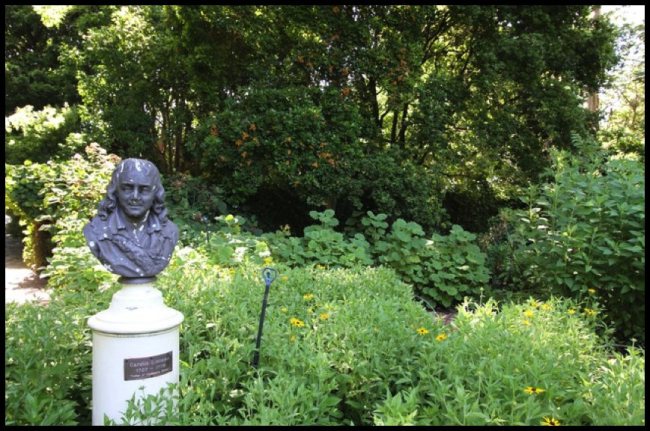
Classground (pictured above) – Experimentation area and in my view one of the nicest parts of the gardens – don’t miss it, as most people do.
International Rose Garden – over 5000 roses
National Rose Trail Garden
Eremophilia Garden
Cycad and palm displays
Cactus and succulent Garden
Garden of Health – demonstrates the use of plants to heal and promote health and wellbeing in western and non-western cultures
Economic Garden – herbs
Australian Forest
Wetlands
Avenue of Morton Bay fig trees – oldest in Australia.


The garden also includes a lake, various sculptures, bandstands, rotundas and ample seating all of which add to creating the perfect atmosphere for a pleasant and peaceful visit.
Tours
Guided tours depart from the Visitor Information Centre at Schomburgk Pavilion at 10.30am daily (except Christmas and Good Friday).
Free self-guided tours of Adelaide Botanic Garden are also now available on your iPhone or android phone.
Opening hours : Opens Mon-Fri 8am , weekends and holidays 9am. Closes – around dusk – varies from month to month. Access to buildings generally 10am – 4pm. Check website below for specific details
Facilites – The Garden contains two restaurants/kiosks and a garden shop which also sells plants and seeds. Restrooms are available at various locations at various locations.
Admission Fee : Free (Including the Bicentennial Conservatory which formally had a charge).
Address: North Terrace (Main Entrance – there are others)
Directions: North East corner of the Central Business District
Website: http://www.environment.sa.gov.au/botanicgardens/Visit/Adelaide_Botanic_Garden
This is my last Adelaide – NORTH TERRACE review.
For other Adelaide reviews click HERE.
 The Rambling Wombat
Its beautiful!
LikeLiked by 1 person