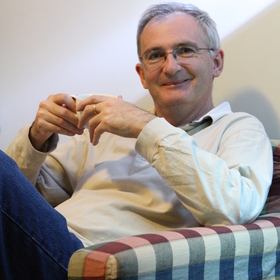

Today we had a choice of two activities for our pre-lunch stop. After lunch we would continue on to Orang airport for our return flight to Pyongyang. Having a choice in North Korea, and in particular one that results in the group being split in two, is rare but was made easier here in the north east of the country as we had additional local guides and we were travelling in two smaller buses. Our normal large bus was not suited to the roads in this more mountainous part of the country but then again neither was one of our smaller buses though that’s a story for another review. Continue reading “Jipsam Revolutionary Site”

Fishing Gap Walk (and part of Mount Domain)
The Fishing Gap walk which, insofar as I can ascertain, has nothing whatever to do with fishing or fisherfolk is a moderate eight kms (return) walk within the Tidbinbilla Nature Reserve, just to the south of Canberra. Continue reading “Fishing Gap Walk (and part of Mount Domain)”

The Irish in Cooma
My regular reader may be aware that I am originally from the Emerald Isle.
It never ceases to amaze me as I travel around the world how the Irish seem to be, or have been, everywhere including some of the most bizarre and remote places on earth. Where isn’t there an Irish pub (granted some of them are not very Irish!)? From Cusco in Peru to Suva in Fiji the Irish are everywhere. I even came across a Northern Irish flag proudly flying on Ascension Island, in the middle of the Atlantic Ocean. Continue reading “The Irish in Cooma”
Cooma’s Boom Time Churches
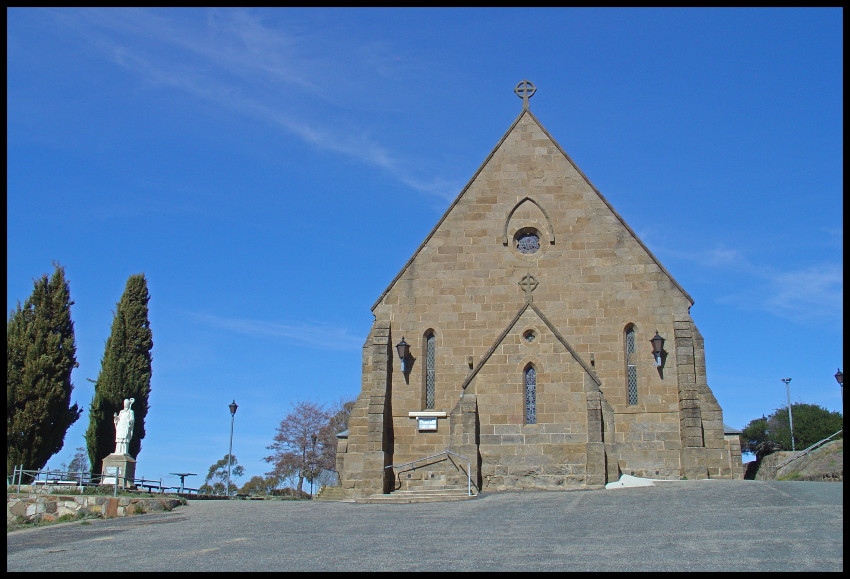
If you are following the “Lambie Walk’, which I referred to my first Cooma review, the next and last section of the walk covers three churches. If churches are not your thing you can head down Sharp Street to the town centre having visited the Southern Cloud Memorial. Continue reading “Cooma’s Boom Time Churches”
Hoeryong’s Children’s Palace
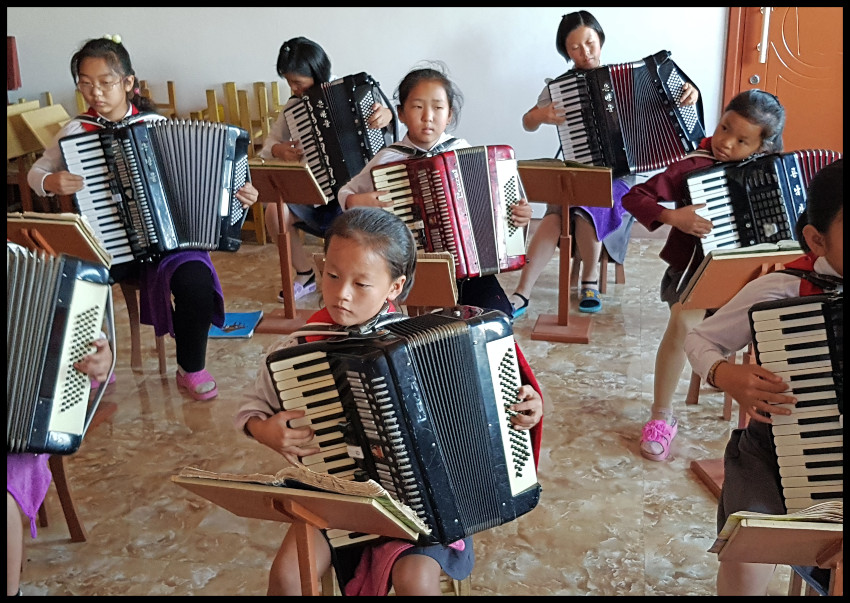
I suspect it will come as a surprise to many that North Korea has a 100% literacy rate. In North Korea everyone receives twelve years (extended from eleven in 2012) of full time, state funded, education – from kindergarten to high school. After this there is the option to go to university and other institutes of higher learning. Education in North Korea focuses on preparing students for the workforce (including the military) and aims at not only advancing the prospects of each student but also those of the country, consistent with its Juche, or self-reliance, ideology. There is a significant focus on foreign languages, science and technology but this is not at the expense of the arts, culture and sports. Continue reading “Hoeryong’s Children’s Palace”
Mother Kim Jong-suk – Starting a Trend in Cross Border Travel to China?
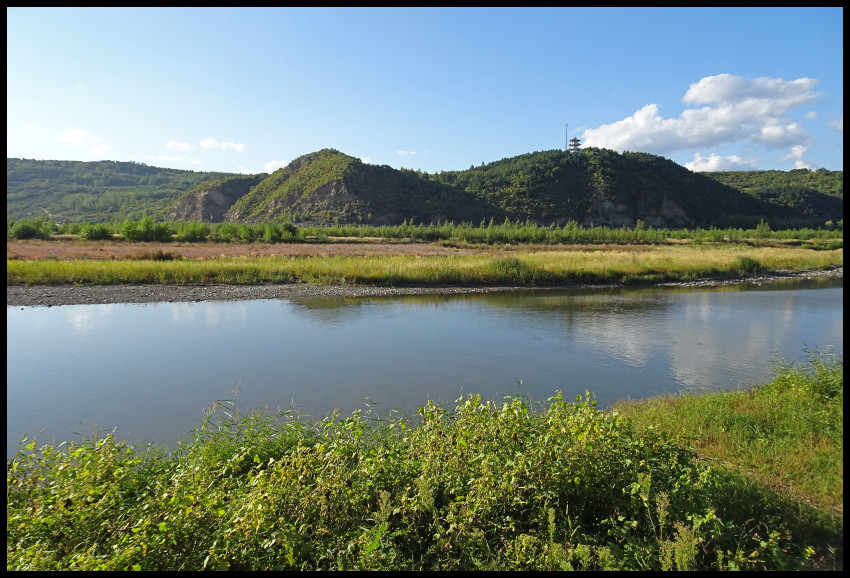
Our final stop in Hoeryong, specifically related to the memory of Kim Jong-suk, was the banks of the Tumen River which, here, serves as the country’s northern border with China. Having completed our tour of the Kim Jong-suk city sites we boarded our bus for the short trip to the border. Continue reading “Mother Kim Jong-suk – Starting a Trend in Cross Border Travel to China?”
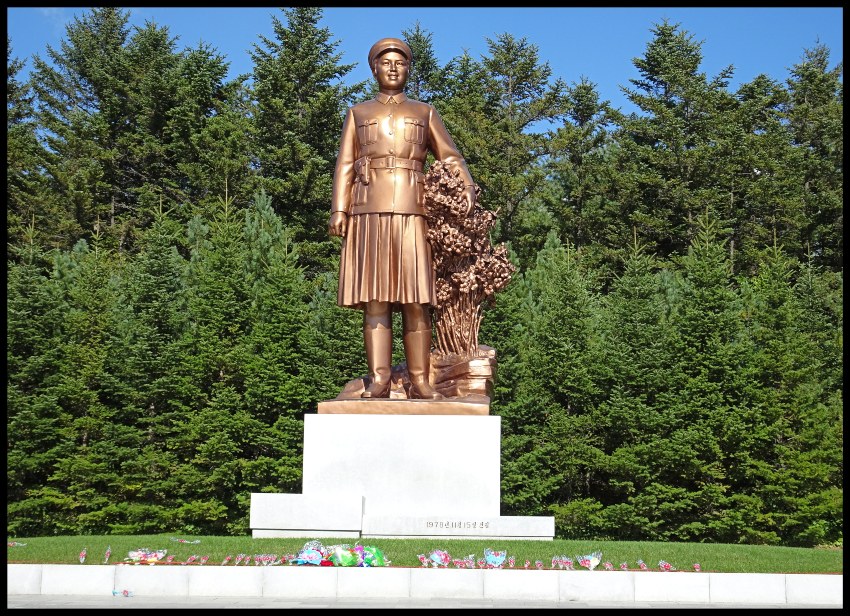
Mother Kim Jong-suk – From Kitchen Hand to Commander of Mt Paektu
Our primary reason for visiting the north east city of Hoeryong was to learn about Kim Jong-suk, one of the “three Commanders of Mt Paektu”, hero of the anti-Japanese revolutionary forces and mother to Kim Jong-il – the successor to North Korea’s first post Japanese occupation leader, his father Kim Il-sung. Continue reading “Mother Kim Jong-suk – From Kitchen Hand to Commander of Mt Paektu”
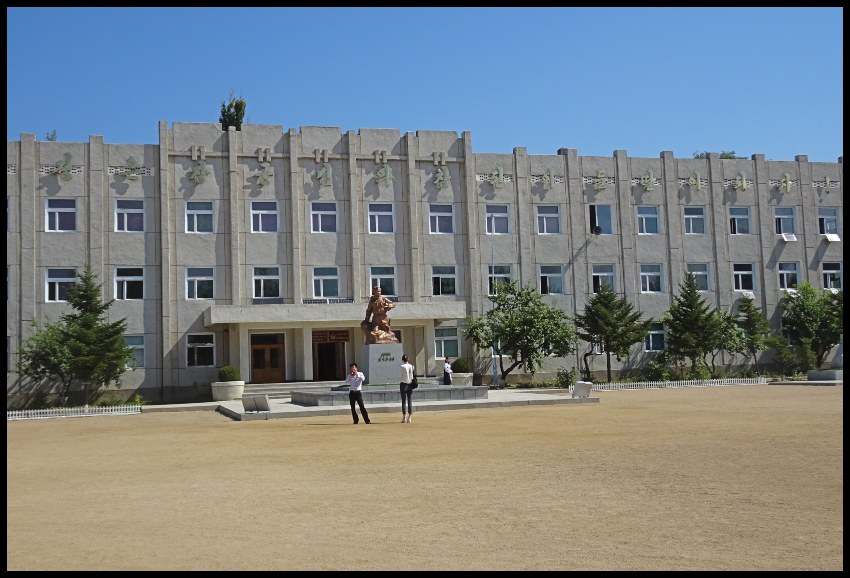
Kim Ki-song Hoeryong First Middle School – Children of the Revolution
On arriving into Hoeryong from Chongjin our first stop was the Kim Ki-song Hoeryong First Middle School, one of the country’s more prestigious secondary schools catering to the offspring of the city’s Nouveau riche. It is named after the revolutionary brother of anti-Japanese war heroine Kim Jong-suk, wife of Kim Il-sung and mother to Kim Jong-il. Continue reading “Kim Ki-song Hoeryong First Middle School – Children of the Revolution”
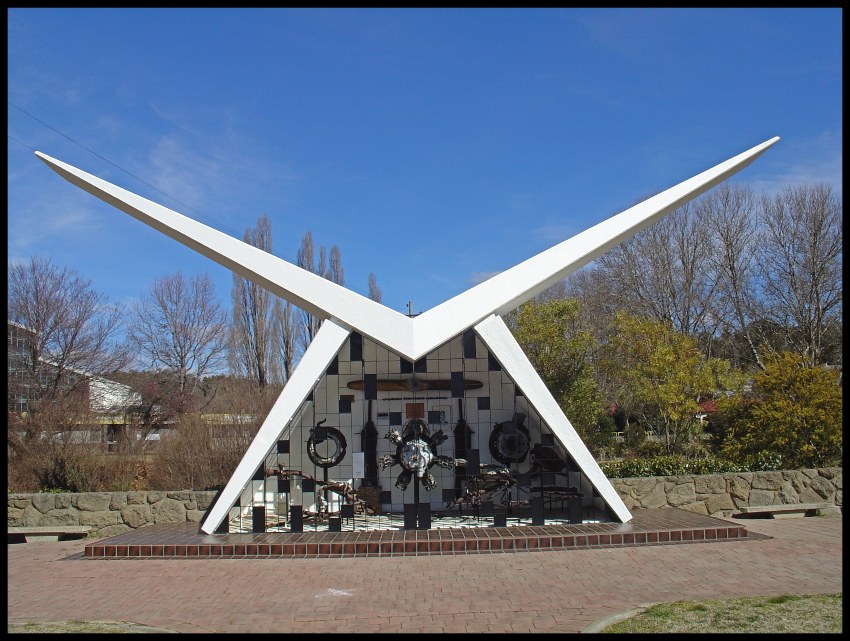
Vale, Southern Cloud
In 1929 aviators Sir Charles Kingsford Smith (after whom Sydney’s airport is named) and Charles Ulm founded Australian National Airways (ANA). The Southern Cloud was one of its three engined Avro X aircraft flying daily between several Australian cities. Continue reading “Vale, Southern Cloud”
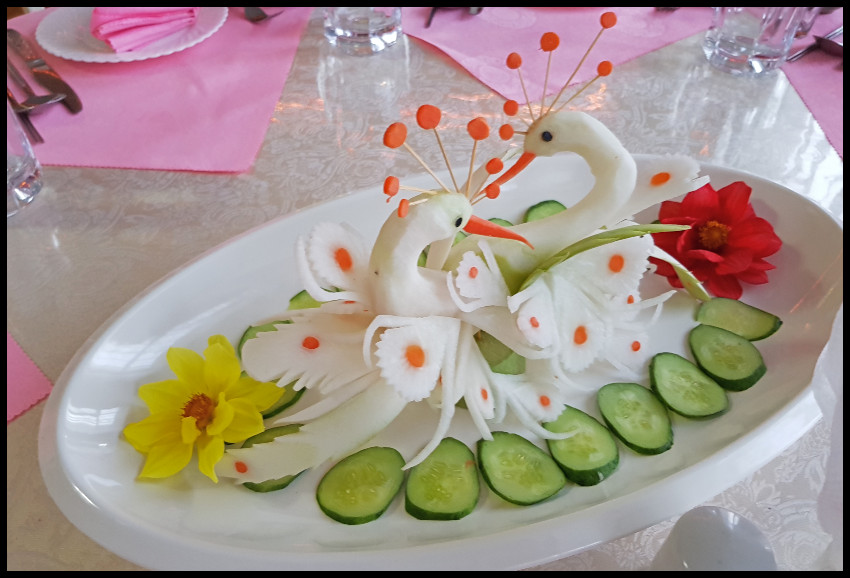
Hoeryong – Snacking, Wining, Dining and Sleeping
As usual we had an early start to the day, so as to fit in a final sightseeing stop in Chongjin prior to heading inland on our 2 – 3 hours drive to Hoeryong. En route we stopped at a small unmarked shop which sold bottled water (for a few cents) from the adjacent bottling plant which our guides assured us produced the best water in North Korea. A plaque by the shop detailed the makeup of the water for those seeking additional assurance in this regard. Continue reading “Hoeryong – Snacking, Wining, Dining and Sleeping”
 The Rambling Wombat