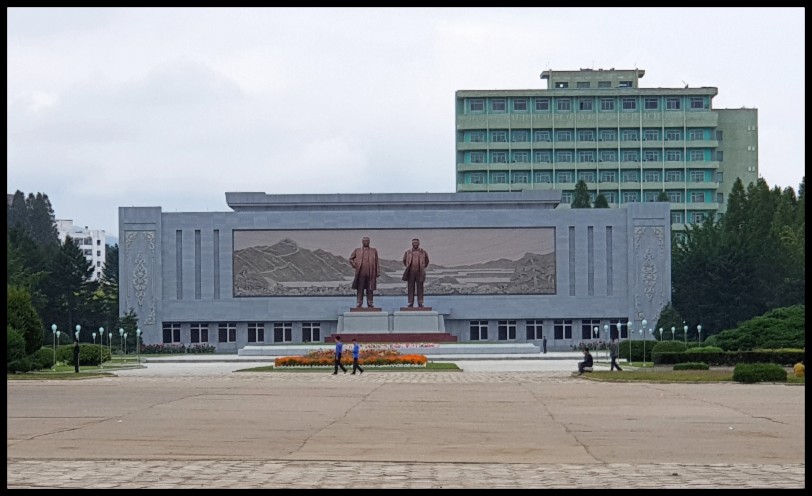
Given a fairly tight schedule in Wonsan we only had time for a brief stop in the city’s central square, surprisingly not to formally visit and pay our respects at the statues of Kim Il-sung and Kim Jong-il but rather to see a ferry which, apart from a few ‘special runs’, has lain unused here, by the dock, since 2006.
Continue reading “Wonsan Central Square and the Mangyongbong 92”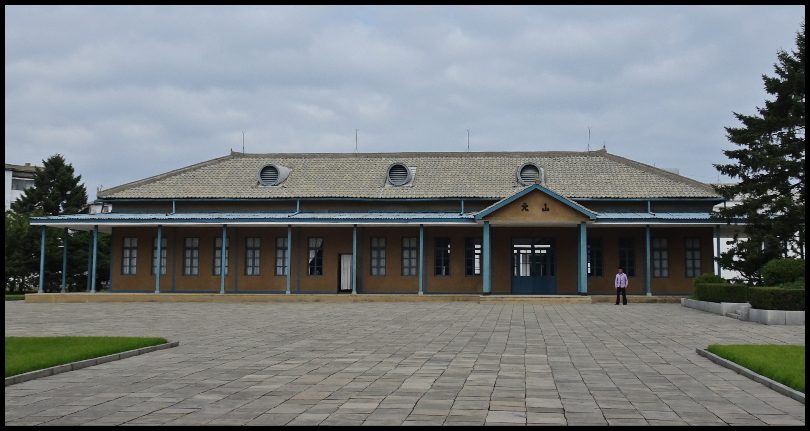
Old Wonsan Train Station
When the fairly typical western style Wonsan (now Old) Train Station was opened in 1914 by the Chosen Government Railway it was certainly nothing special, indeed it was somewhat plain and utilitarian – unremarkable. A momentous event in 1945 would change its status for ever.
Continue reading “Old Wonsan Train Station”
Sleeping and Eating in Wonsan, North Korea
In 2014 Kim Jong-un embarked on a programme to massively increase international tourism into North Korea, it being one of the few ways in which foreigners could (and can) legally engage with the country, most other avenues being frustrated by US lead international sanctions. Separately the United States barred, and continues to bar, its citizens from travelling to North Korea, except under very limited circumstances.
Continue reading “Sleeping and Eating in Wonsan, North Korea”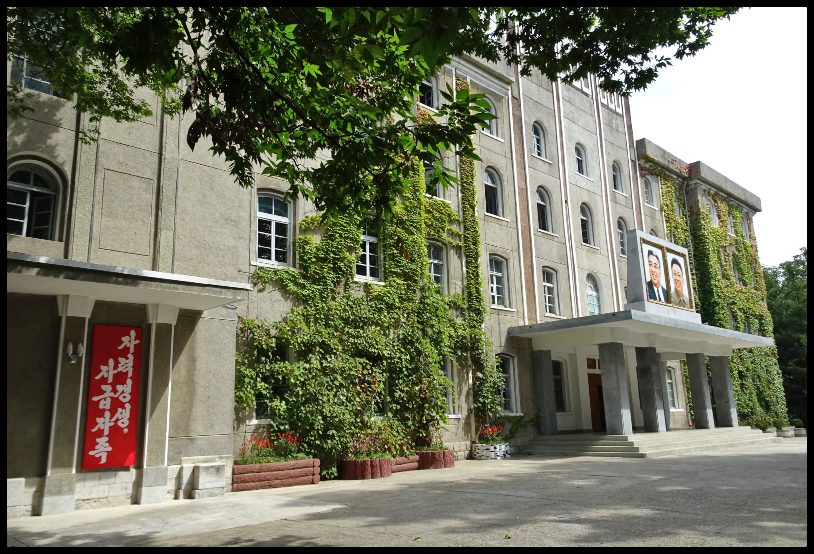
Wonsan Agricultural University
After a couple of hours drive from Hamhung we arrived at the Wonsan Agricultural University, on the outskirts of the city of Wonsan. As a university this is one of the country’s most prestigious and respected and one of the few at which foreign students can enrol. I don’t know if any have.
Continue reading “Wonsan Agricultural University”
Wonsan – The Drive from Hamhung and an Introduction
Pyongyang is often referred to as a showcase capital, for good reason. Anyone who is anyone lives in Pyongyang, anyone who is not anyone is only permitted to enter the city under special circumstances and they certainly cannot live there. The infrastructure, buildings, services and facilities are the best North Korea can offer.
With a few noted exceptions, North Korea outside Pyongyang is a different world but it is a world that is changing, albeit slowly. While only the fifth largest city with a population of around 365,000, Wonsan, in terms of recent development, comes (a distant) second to Pyongyang.
Continue reading “Wonsan – The Drive from Hamhung and an Introduction”
Tonghung Hill – The Eternal Leaders in Hamhung
If you need a hill, overlooking the city, preferably at the end of one of its main avenues, on which to erect massive statues of the Great Leader and, later, the Dear Leader and you don’t have one, what do you do? Well, naturally you build one, and especially so in North Korea.
Continue reading “Tonghung Hill – The Eternal Leaders in Hamhung”
Hamhung Royal Villa and Yi Seong-gye
When many people think of North Korea they actually think of one or more of the Kim ‘Dynasty’ Leaders, as opposed to the country itself. This ‘dynasty’, now ruling for seventy-two years and counting, began on 9th of September 1948 with the appointment of Kim Il-sung as President of the newly created Democratic People’s Republic of Korea (DPRK). Though never envisaged by anyone that the DPRK would become a dynasty, on Kim Il-sung’s death in 1994 he was succeeded by this son Kim Jong-il who in turn was succeeded by his son, Kim Jong-un in 2011.
Continue reading “Hamhung Royal Villa and Yi Seong-gye”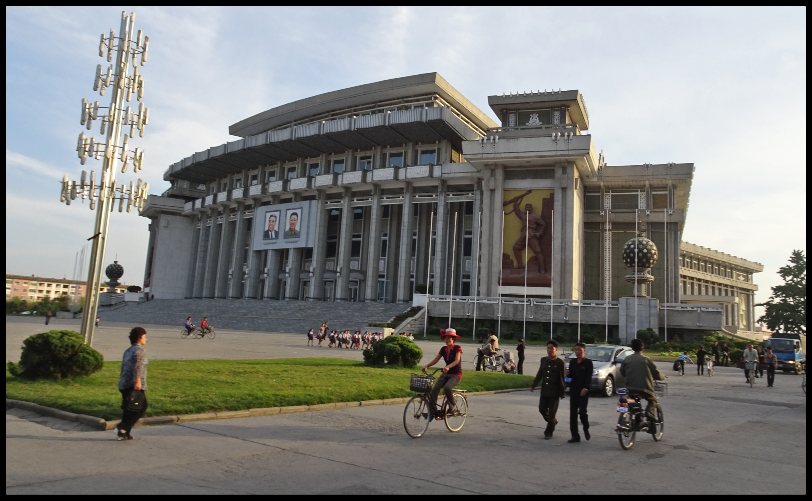
The Hamhung Grand Theatre and North Korean Revolutionary Opera
On returning from a day-trip to Pujon Country we made a short stop in Hamhung’s central square, over which towers the brutalist Hamhung Grand Theatre, without doubt the city’s grandest and most impressive building, up there with the grand edifices of Pyongyang. Continue reading “The Hamhung Grand Theatre and North Korean Revolutionary Opera”
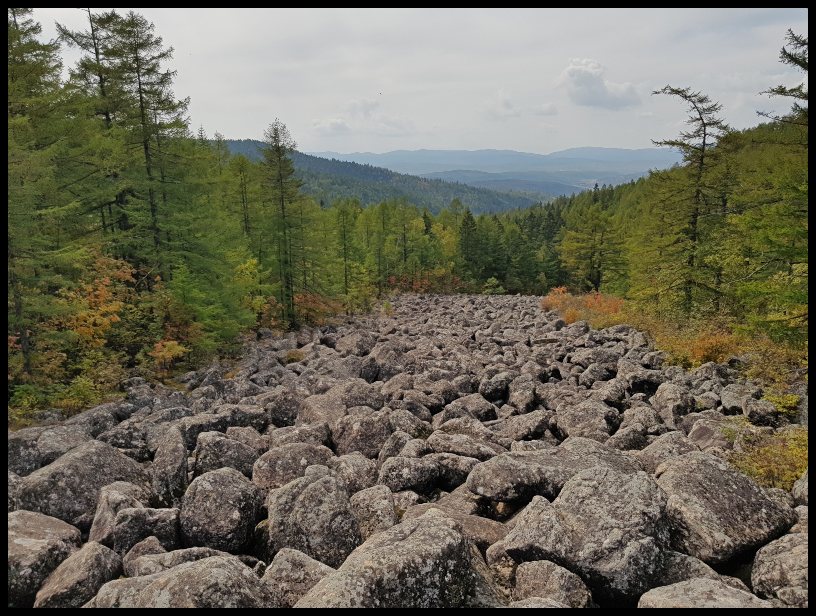
Pujon Stone River and Revolutionary Site
After what turned out to be a four hour drive from Hamhung (as opposed to the expected three), due to problems with one of our buses we arrived at the entrance to Mt. Ongryon park in the Pujon Highlands, one of the ‘Eight Great Sights of Korea’. Here we met our local guide for our short walk to the Stone River and to some very special trees. The bus trip, which I have written about in two separate reviews (Part A HERE and Part B HERE), while at times gruelling, was scenically beautiful and gave us some insight into everyday life (road maintenance in particular!) in this remote and rarely visited part of North Korea.
Continue reading “Pujon Stone River and Revolutionary Site”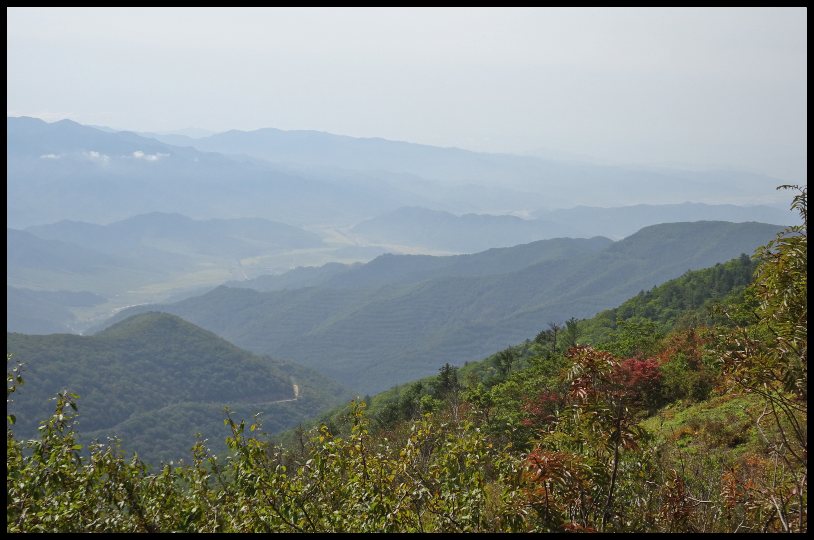
Driving from Hamhung to Pujon County, North Korea – Part B
This is Part B of my review on my bus trip from Hamhung to Pujon County, through some of the most scenic parts of North Korea, affording us glimpses of this scenery and of everyday life in this rarely visited part of the country. If you have not read Part A then I suggest you do so, particularly as it includes a commentary on why I have chosen to publish a number of photographs which are possibly in contravention of North Korean rules on photography.
Continue reading “Driving from Hamhung to Pujon County, North Korea – Part B” The Rambling Wombat