
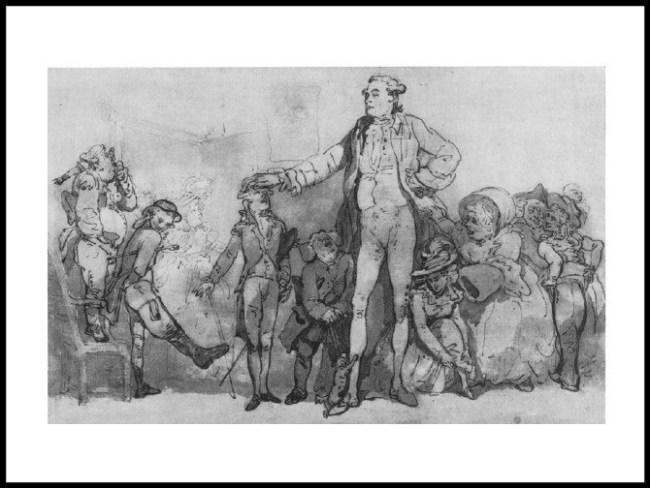
Freak shows of any variety were a mainstay in the entertainment of London society in Georgian times (1700s), the odder and more extreme the better.
In 1781 George Byrne left his home in Northern Ireland to join ‘the circus’. Continue reading “The Irish Giant at the Hunterian Museum”


 One of the most mementos events to take place in the history of London started in Thomas Farriner’s bakery in Pudding Lane on the morning of 2 September 1666. What occurred on this day and the three days following was to very literally change the face of London. The event to which I refer was, of course, the Great Fire of London.

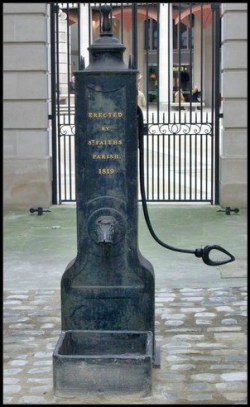 Between Paternoster Square and St Paul’s Cathedral, behind a fence, you will find this water pump inscribed thus:
 The Rambling Wombat