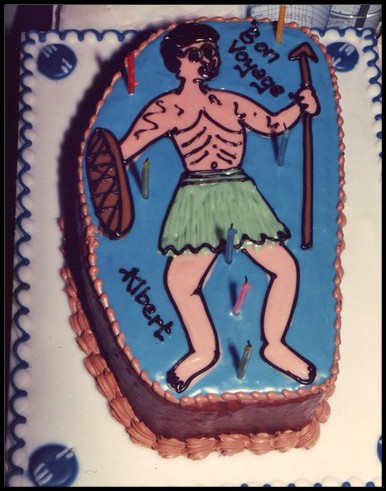
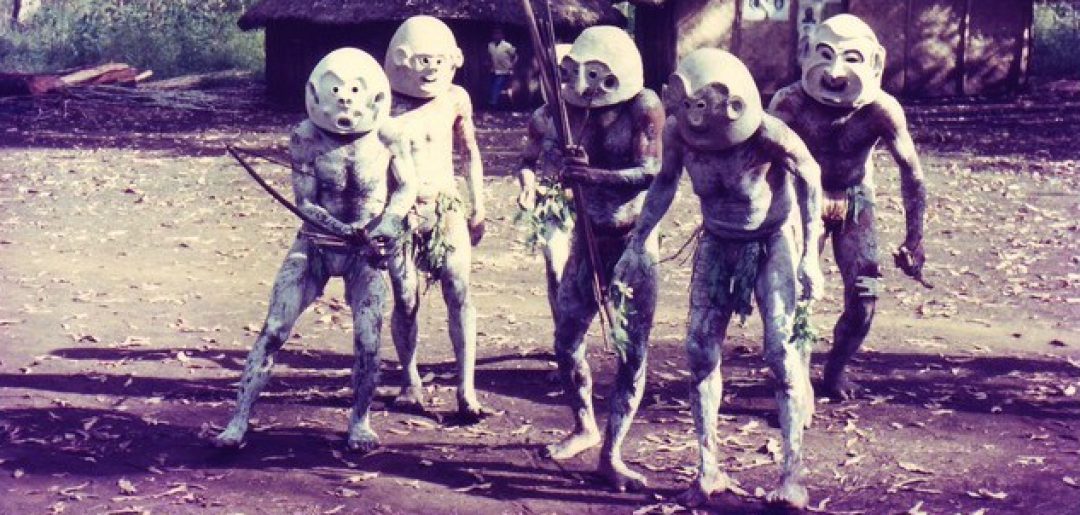
The Asaro Mudmen

7

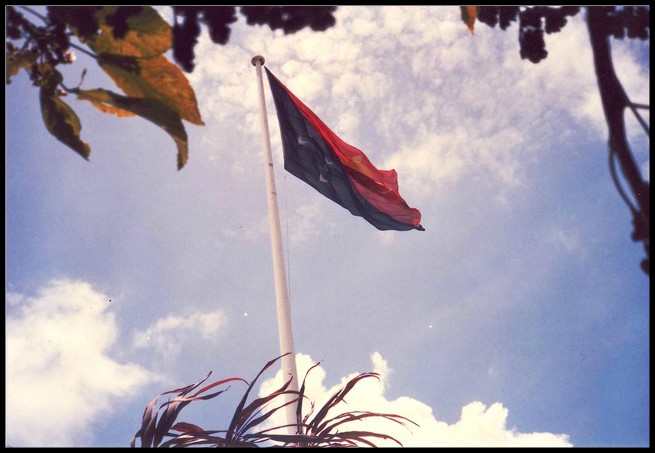
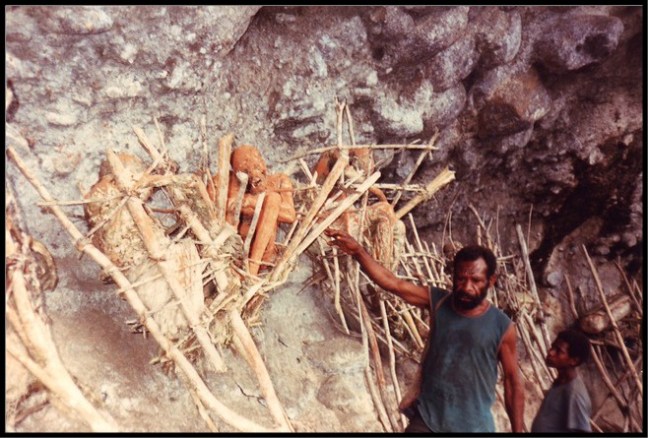
While I lived in Papua New Guinea (1989-91) I attended many shows or sing sings, as the locals called them, and in this way became acquainted with numerous tribes wearing traditional dress, performing traditional dances and taking part in other rituals. The annual Port Moresby and Goroka shows were especially good for ‘tribe collectors’.

There was one very famous tribe, the ghost-like Asaro Mudmen, which never turned up at any of the shows I attended. Continue reading “The Asaro Mudmen”

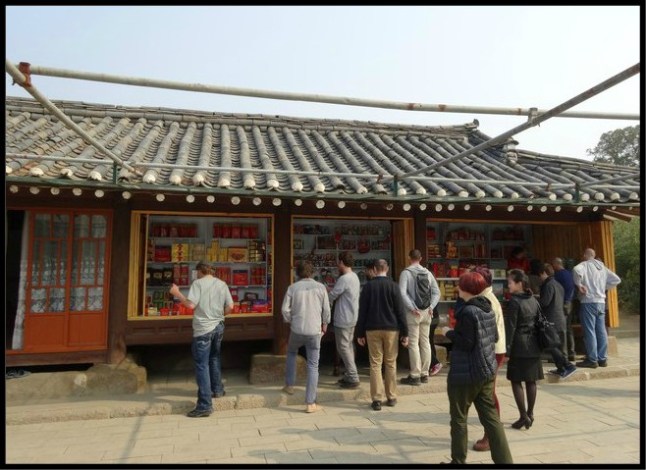
Koryo Museum

897

This large complex of buildings (currently nearly 20) originally dates from 992 when the site housed the Taemyon Palace which later became an imperial guest-house and then the Bureau for Confucian Doctrines. In 1089 it became ‘the Kakjagam’ or highest centre of learning in Kaesong for those seeking to enter the civil service. Children of the aristocracy attended this centre of Confucian learning throughout the Koryo period and the subsequent Ri period which ended in the late 19th century. Continue reading “Koryo Museum”

Tomb of King Kongmin

892

Although North Korea is an ancient country with roots going back 4000 years tourists have very little opportunity to see or hear about anything pre-dating the Japanese occupation of the country in the late 19th century. Visits to North Korea focus on the iconography of the modern age, monuments and museums perpetuating the cult of personality of the Kim Dynasty which only dates from 1945, with the ending of the Japanese occupation of the peninsula.

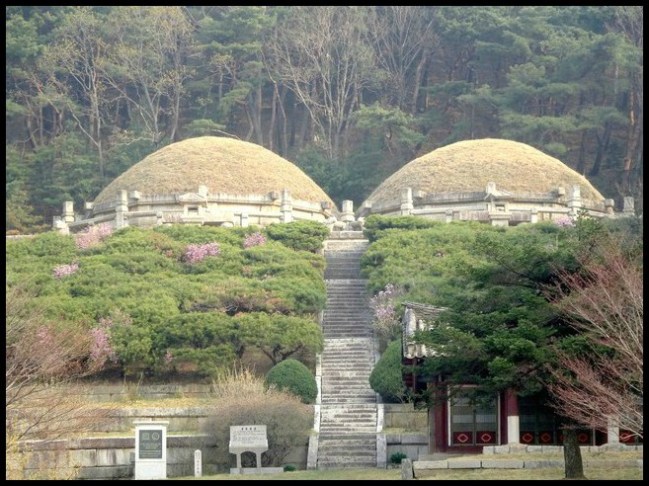
There were a small number of exceptions to this ‘Kim Dynasty focus’ on our trip and one was a visit to the Tomb of King Kongmin (more formally the Hyonjongrung Royal Tomb) about 13kms outside Kaesong. Continue reading “Tomb of King Kongmin”

Kaesong Folk Custom Hotel: ‘Royal Pansanggi Banquet’

887
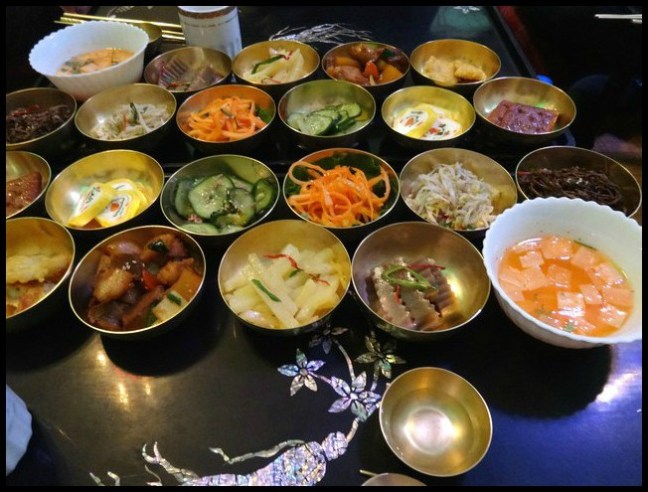
Pansanggai Banquet

Having been a royal capital for over 500 years, Kaesong has a highly developed cuisine with a presentation style fit for royalty.

Our meal at the Kaesonng Folk Custom Hotel was a traditional Royal Pansanggi banquet consisting of numerous dishes each presented in a small metal bowl. While my first picture shows 11 dishes per person, additional dishes provided during the meal brought the number to over 13, the number traditionally served to royalty. Continue reading “Kaesong Folk Custom Hotel: ‘Royal Pansanggi Banquet’”