The De Salis Cemetery – Fit for a Count

510
The De Salis Cemetery

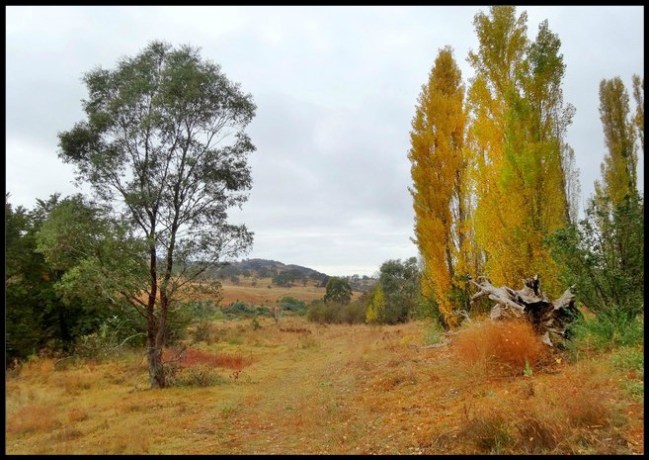
The De Salis (or Cuppacumbalong) Cemetery is one of a small number of late 19th century private or family cemeteries in the Canberra region. By the end of the century private cemeteries were becoming something of a dying (pardon the pun) breed, originally having been necessary due to the lack of public cemeteries, in particular for pastoral families and their workers on stations in Australia’s interior. Continue reading “The De Salis Cemetery – Fit for a Count”

The Australian Capital Territory’s Oldest Village

474
Cuppangabalong Woolshed

Tharwa is a small village located on the banks of the Murrumbidgee River in the Australia Capital Territory and lies a few kilometres to the south of Canberra, Australia’s capital city and home to The Rambling Wombat!  It is typically just passed through, by visitors, en route to Namadgi National Park or Tidbinbilla Nature Reserve (if you choose to come this way to the latter). Continue reading “The Australian Capital Territory’s Oldest Village”

Temple Church and the Knights Templar

314

If you have seen my introductory London entry and you have any knowledge of the Knights Templar, even if it be via Dan Brown’s novel, the Da Vinci Code, you will have recognised the main picture there as being the symbol of the Knights Templar – a horse carrying two knights. This symbol is situated atop a column outside the Temple Church. Continue reading “Temple Church and the Knights Templar”

Women of World War II Memorial

328

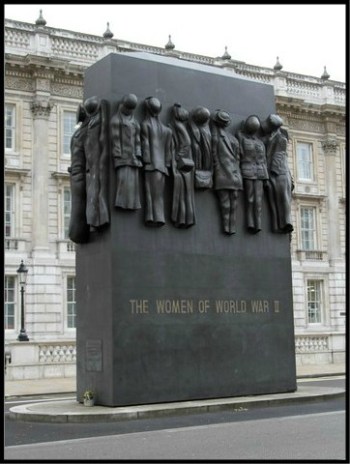
This is a relatively recent and perhaps overdue addition to the many memorials of London.

This memorial/cenotaph to the Women of World War II was unveiled by Queen Elizabeth II on 9 July, 2005 some 60 years after the end of World War II. The memorial, dedicated by Baroness Boothroyd, former Speaker of the House of Commons, commemorates the contribution of some 7 million women to the war effort, both in uniform and on the home front. Perhaps not well known, conscription for women began in 1941 and by 1943 nine out of 10 single women aged between 20 and 30 were working in factories, on the land or in the armed forces. Continue reading “Women of World War II Memorial”