

 The Wellcome Collection (named after founder Sir Henry Wellcome (1853-1936) an American businessman, collector and philanthropist who ended up a British knight) describes itself as “a free visitor destination for the incurably curious” and “explores the connections between medicine, life and art in the past, present and future”. I like to think of myself as incurably curious and I think “a destination for the incurably curious” sums the place up splendidly. Continue reading “The Wellcome Collection”
Thief Taker General – Hunterian Museum

As you enter the Hunterian Museum, in a niche just past the reception desk, you will be confronted with the skeleton of Jonathan Wild one of London’s most notorious criminals.
Wild, hailing from Wolverhampton arrived in London in 1708 and soon (1710) landed himself in jail for a debt offence. While in prison Wild really began his short life of crime and befriended both other petty criminals and his warders who (the warders that is!) awarded him with “the liberty of the gate”, meaning that he was allowed out at night to aid in the arrest of thieves. Off course this award was of mutual benefit to warders and Wild. Continue reading “Thief Taker General – Hunterian Museum”
The Irish Giant at the Hunterian Museum
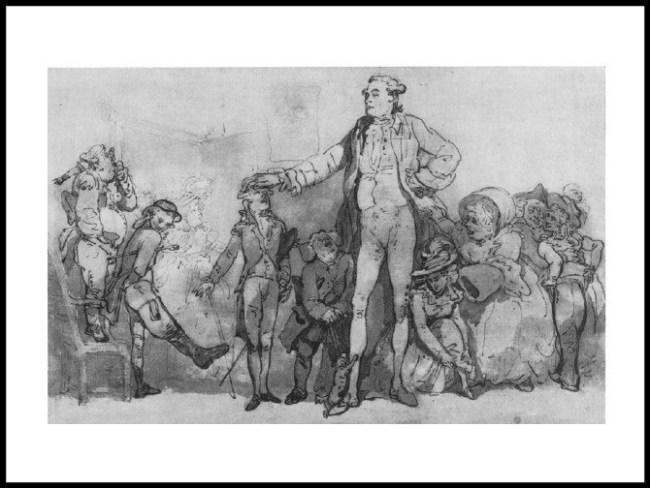
Freak shows of any variety were a mainstay in the entertainment of London society in Georgian times (1700s), the odder and more extreme the better.
In 1781 George Byrne left his home in Northern Ireland to join ‘the circus’. Continue reading “The Irish Giant at the Hunterian Museum”
The Hunterian Museum
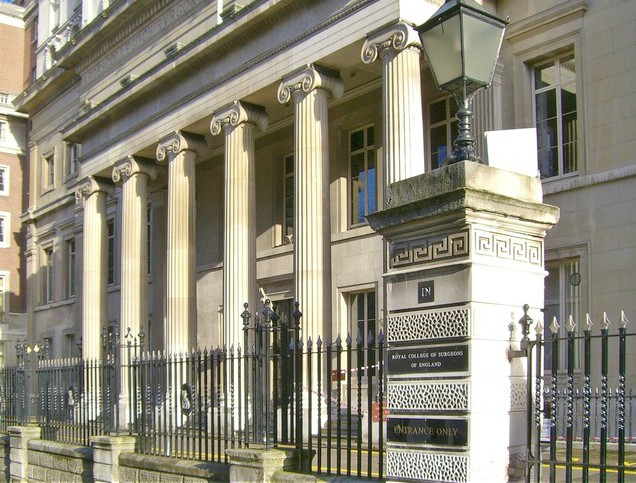
I thoroughly enjoyed my visit to this rather unorthodox museum and highly recommend a visit if interested in the subject matter. While it is not without its controversy the museum is not in the slightest macabre, disrespectful, commercialised, freakish, sensationalist or tacky (adjectives often used in referring to it). Continue reading “The Hunterian Museum”
Greenwich Market

Greenwich Market operates from Tuesday to Sunday and has about 120 stalls selling arts & crafts, antiques & collectables, clothing, curiosities, vintage items, some fresh produce and takeaway food (with a few tables) – something to suit everyone. Don’t overlook the shops around the periphery of the market – mainly arts and crafts in nature, as well. Continue reading “Greenwich Market”
Old Royal Naval College Chapel – Not All That It Seems

Wandering around the exterior of the Old Royal Naval College (a naval hospital until 1873 and now the University of Greenwich) and a look at the grandness of the buildings in a setting next to none will leave the visitor with little doubt that this was no ordinary hospital for convalescing seamen in the late 1700s. Enter some of the buildings and most notably the Chapel or the Painted Hall (dining room) and you will be in no doubt. These buildings were built in the days when Britain ruled the waves – the days of Rule Britannia, when the navy was the premier service and money was no object (though I will come back to that latter comment about money). Continue reading “Old Royal Naval College Chapel – Not All That It Seems”
Greenwich Palace (Placentia) and the Royals
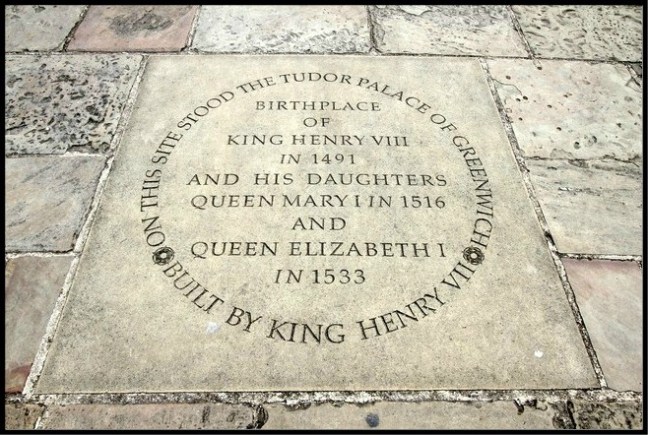
While this review is to draw your attention to the former Greenwich Palace commemorated by an easily missed stone plaque I will also outline, in a very summary form, the royal connection with Greenwich. Continue reading “Greenwich Palace (Placentia) and the Royals”
The Monument to the Great Fire – The Monument
 One of the most mementos events to take place in the history of London started in Thomas Farriner’s bakery in Pudding Lane on the morning of 2 September 1666. What occurred on this day and the three days following was to very literally change the face of London. The event to which I refer was, of course, the Great Fire of London. Continue reading “The Monument to the Great Fire – The Monument”
Platform 9 ¾ – Kings Cross Station

Having moved around a bit (always a problem with magic train platforms, I guess) Platform 9 ¾ appears to have settled down now, albeit slightly out of place, at a spot to the right of Platform 9 on the New Western Departures Concourse at Kings Cross Station. Continue reading “Platform 9 ¾ – Kings Cross Station”
Eleanor’s Cross at Charing
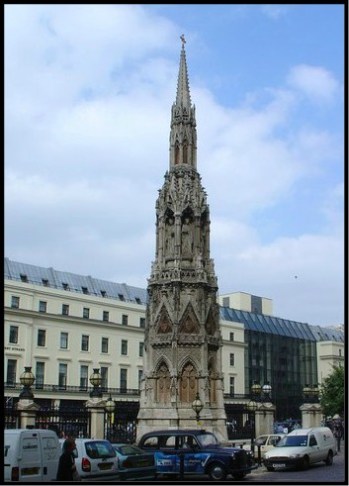
On the death of his long time wife, Eleanor of Castile, at Harby in Nottinghamshire, close to the city of Lincoln, in 1290, King Edward I, commonly known as Edward Longshanks due to his tall statue for the time, was grief stricken and distraught and spoke of his “Queen of Good Memory” as he referred to her thus: “whom living we dearly cherished, and whom dead we cannot cease to love”. Continue reading “Eleanor’s Cross at Charing”
 The Rambling Wombat