
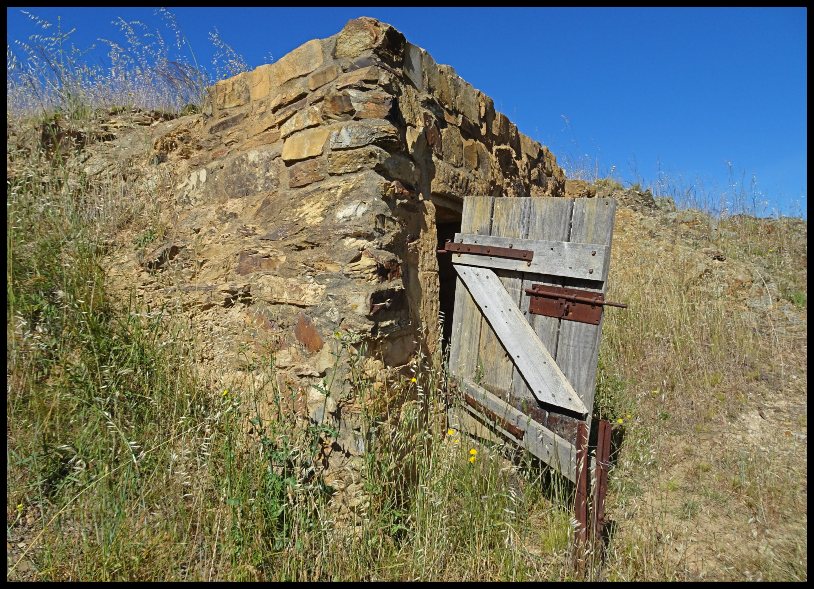
When Messers Hume and Meehan visited the Goulburn area, the first Europeans to properly explore the area and see its potential, in 1818 they certainly did not do the trip from Sydney in two hours, along to-day’s multi-lane Hume Highway which connects Sydney to Melbourne via Goulburn. Rather, they would have travelled across country on horseback and on foot, if lucky along Aboriginal tracks. The 200kms trip would have taken many days, if not weeks, through a heavily, and almost impenetrable, forested area covered with Bargo brush. Continue reading “The Towrang Stockade and the Great South Road”
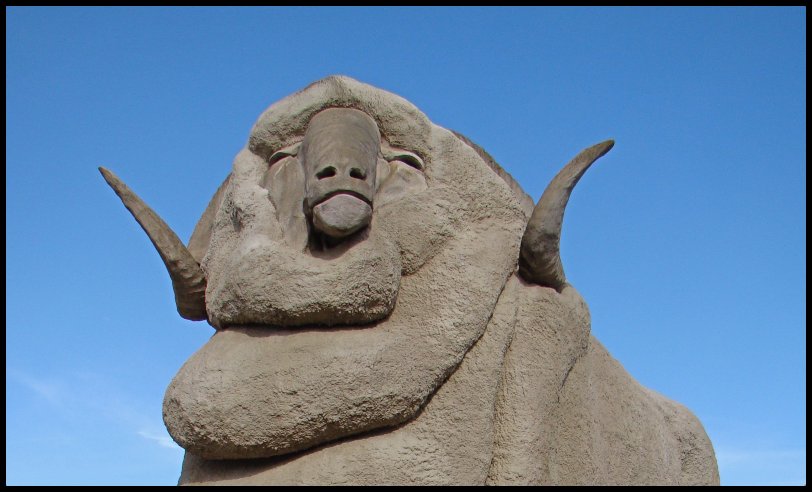
Goulburn as a Rest Stop along the Hume Highway
Goulburn is just over two hours drive from Sydney and about an hour from Canberra. Alas, it is all to often seen as only a convenient rest stop en route from Sydney to anywhere on the southern part of the Australian land mass, though most typically Melbourne, Canberra or Adelaide. Continue reading “Goulburn as a Rest Stop along the Hume Highway”
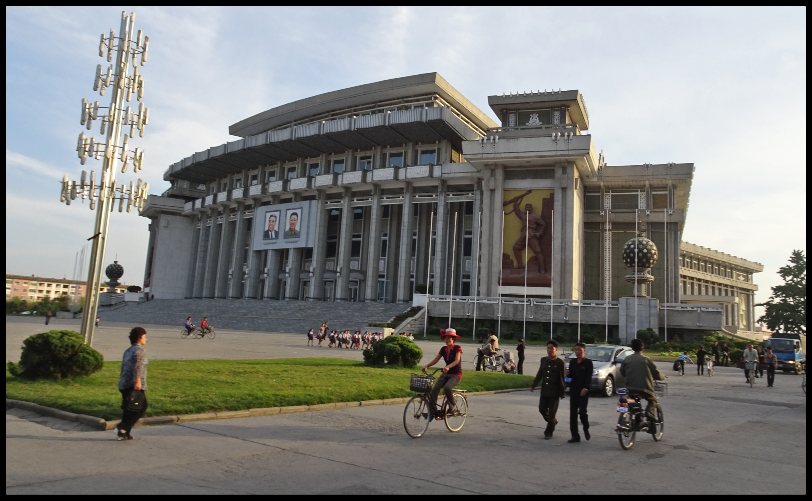
The Hamhung Grand Theatre and North Korean Revolutionary Opera
On returning from a day-trip to Pujon Country we made a short stop in Hamhung’s central square, over which towers the brutalist Hamhung Grand Theatre, without doubt the city’s grandest and most impressive building, up there with the grand edifices of Pyongyang. Continue reading “The Hamhung Grand Theatre and North Korean Revolutionary Opera”

Art and Culture in Goulburn
Most people visit Goulburn for its history and the serenity of this country town, large enough to be blessed with decent cafes and dining options. Indeed, people who have been to Goulburn may raise an eyebrow on seeing the title of this review and determine that it will be one of my shorter posts. Continue reading “Art and Culture in Goulburn”
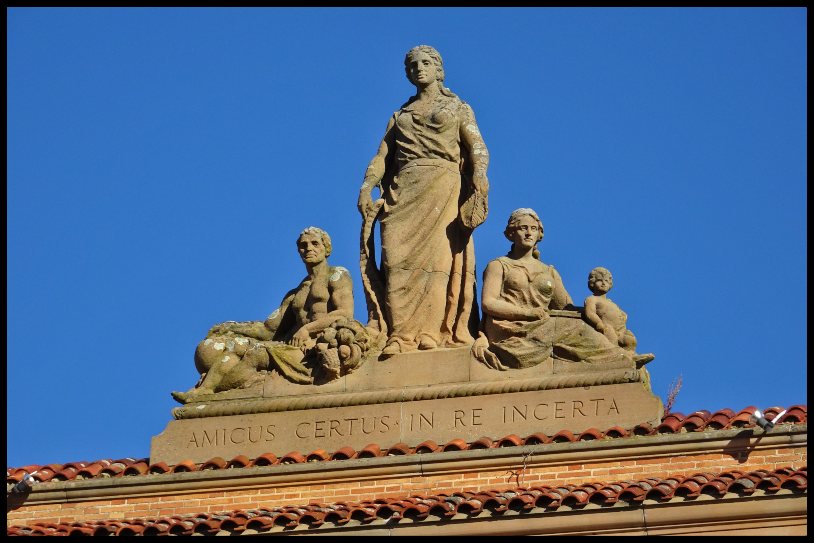
Other Civic and Private Buildings in Goulburn
I have written a number of posts on individual buildings in Goulburn.
This post is a compendium review on a number of other civic and privately constructed buildings in the city that I find particularly interesting. It is by no means intended to be fully inclusive and there are many other beautiful buildings for the visitor to explore on their own account – the statuary in my main picture above adorns one such building, the former Australian Mutual Provident Society on Auburn Street. The centre of the city is small so just park your vehicle and go for a wander. Continue reading “Other Civic and Private Buildings in Goulburn”
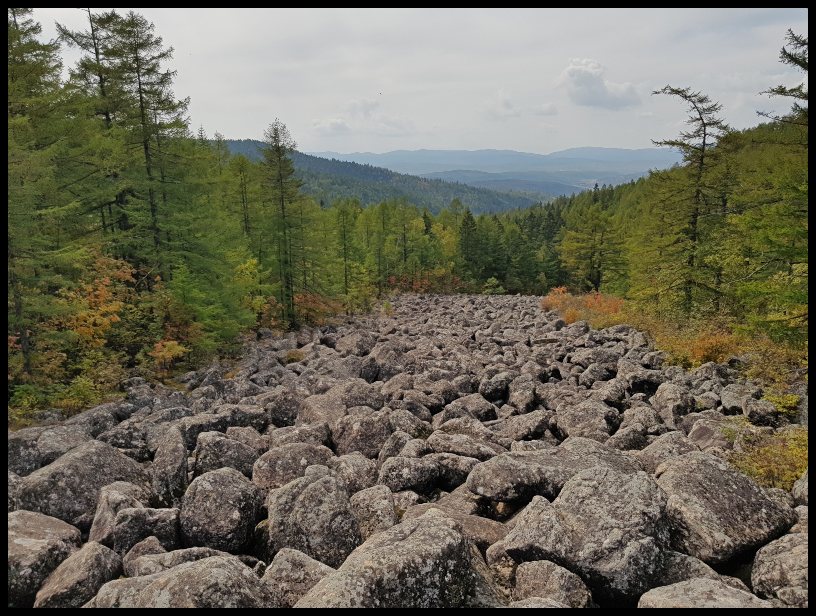
Pujon Stone River and Revolutionary Site
After what turned out to be a four hour drive from Hamhung (as opposed to the expected three), due to problems with one of our buses we arrived at the entrance to Mt. Ongryon park in the Pujon Highlands, one of the ‘Eight Great Sights of Korea’. Here we met our local guide for our short walk to the Stone River and to some very special trees. The bus trip, which I have written about in two separate reviews (Part A HERE and Part B HERE), while at times gruelling, was scenically beautiful and gave us some insight into everyday life (road maintenance in particular!) in this remote and rarely visited part of North Korea.
Continue reading “Pujon Stone River and Revolutionary Site”
Goulburn Historic Waterworks Museum
The museum is located in the original Waterworks building on the banks of the Wollondilly River, at Marsden Weir. In addition to the museum providing an insight into the history of Goulburn’s water supply, the surrounding park area is a lovely location to enjoy a picnic and/ or a walk along the river. ‘Steaming days’ on which the original water pump can be seen in operation are held on an irregular basis (about six times per year) and an annual Steampunk Victoriana Fair weekend is held here, annually in October. Continue reading “Goulburn Historic Waterworks Museum”
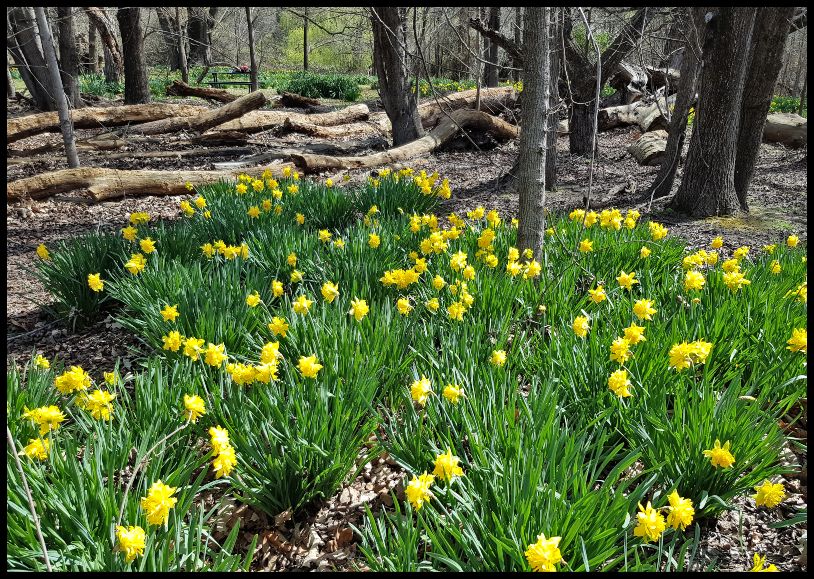
Sherwood Homestead (Former) Walk via Mountain Creek Road (Plus)
There are three official walking tracks to the former Sherwood Homestead, about 35 kilometres drive from Canberra. I have written separate reviews on the other two – from Blue Range Hut (the most popular approach) and from East-West Road (the easiest). This review covers the walk from Mountain Creek Road but as I could not resist the temptation to take in two peaks in the vicinity of the former homestead the 8.4 kilometres official walk increased to 11 kilometres and became somewhat more difficult, on the huffing and puffing scale.
Continue reading “Sherwood Homestead (Former) Walk via Mountain Creek Road (Plus)”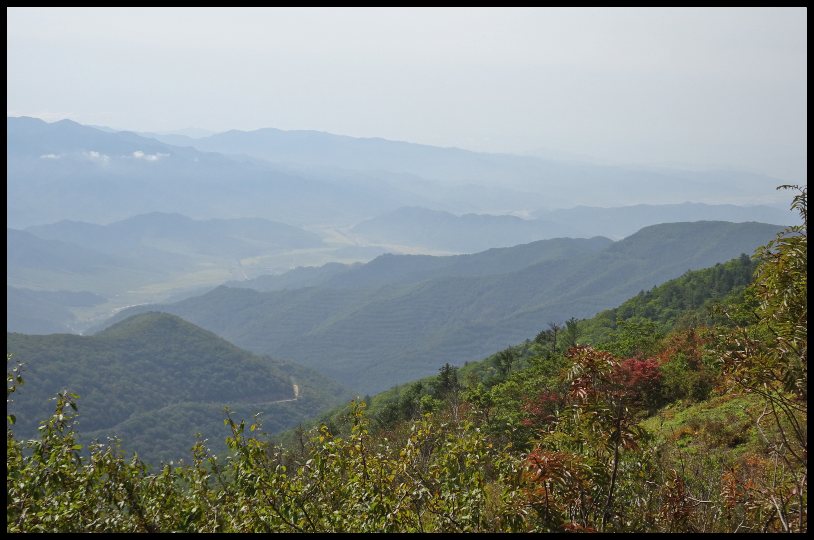
Driving from Hamhung to Pujon County, North Korea – Part B
This is Part B of my review on my bus trip from Hamhung to Pujon County, through some of the most scenic parts of North Korea, affording us glimpses of this scenery and of everyday life in this rarely visited part of the country. If you have not read Part A then I suggest you do so, particularly as it includes a commentary on why I have chosen to publish a number of photographs which are possibly in contravention of North Korean rules on photography.
Continue reading “Driving from Hamhung to Pujon County, North Korea – Part B”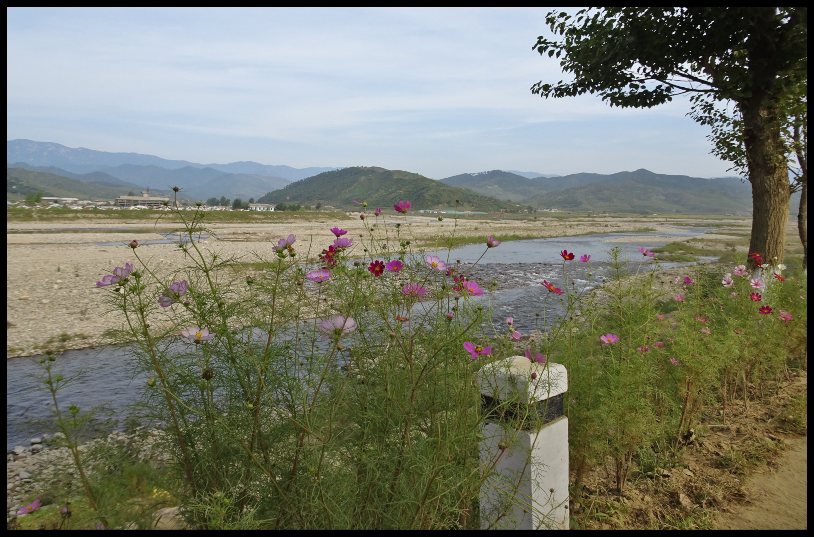
Driving from Hamhung to Pujon County, North Korea – Part A
The main activity for our second day in the Hamhung area was a trip to an amazing stone river at Mount Okryon in Pujon County together with a look at some very special trees which played an important part in the fight to end Japanese colonial rule in Korea. In this review (in two parts) I will cover our bus trip from Hamhung to Pujon County, three hours each way, through some of the most scenic parts of North Korea, affording us glimpses of this scenery and views of everyday life in this rarely visited part of the North Korea. Continue reading “Driving from Hamhung to Pujon County, North Korea – Part A”
 The Rambling Wombat