

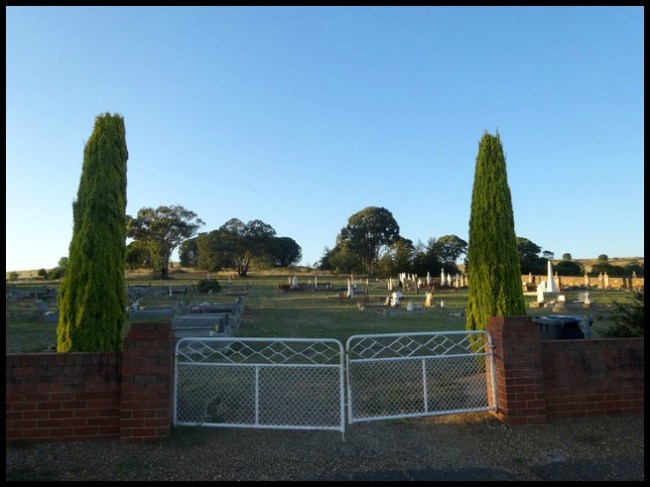
If, Dear Reader, you have followed my reviews in the order recommended this will be your ‘final stop’ in Gundagai – though you should not take that term to literally as I do, of course, mean your final stop before moving on to your next earthly destination. Continue reading “South Gundagai Cemetery”



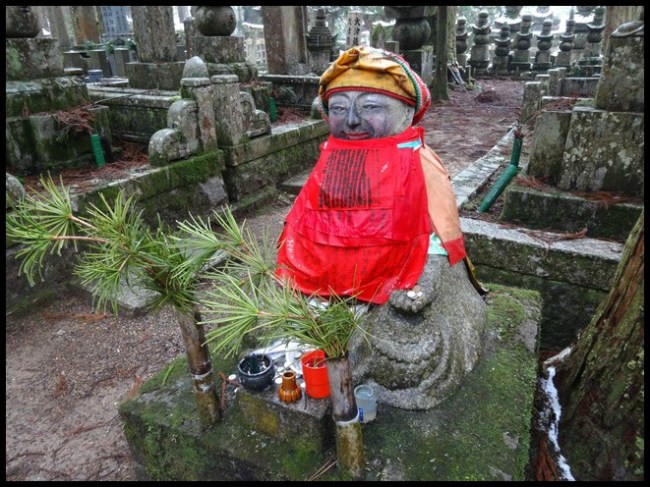
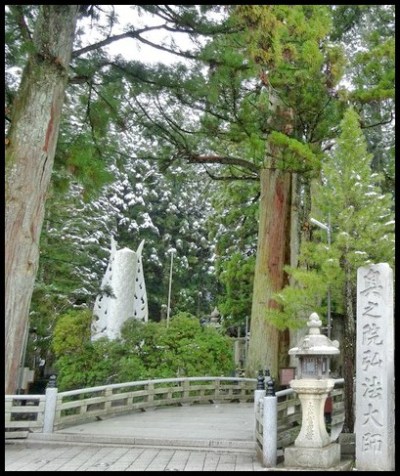 Shingon Buddhism has been very closely tied to the State and supported by the aristocracy since its inception by Kobo Daishi in 816. The latter association giving rise to the term ‘Aristocratic Buddhism’. While many temples in the Danjo Garan (seperate reviews), and elsewhere in Koyasan, were built at the request of, or in memory of, former Japanese Emperors, high ranking military officials and the like, nowhere are these associations more evident than here in the
  The Rambling Wombat