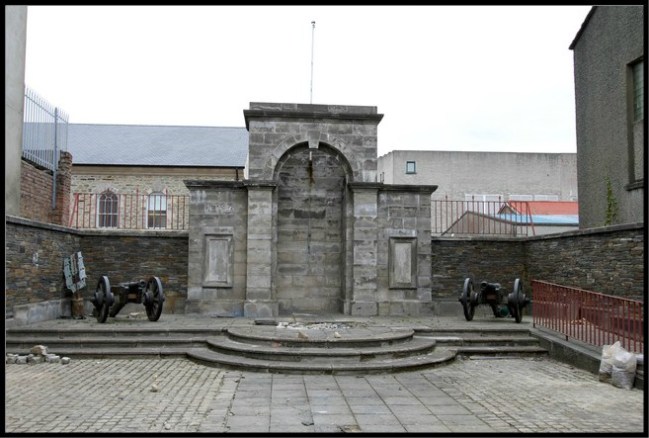
Walker Memorial Courtyard

62

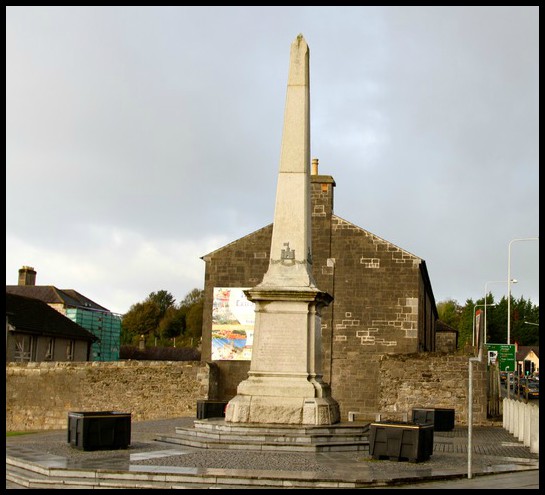
I was very much of two minds as to whether or not to do a review of this courtyard which forms part of the Apprentice Boys Memorial Hall. My picture above will suggest why a review is perhaps unwarranted. Not only has the Good Reverend George Walker disappeared from his plinth on the City Walls but he also seems to have disappeared from the Walker Memorial Courtyard! Let me explain. Continue reading “Walker Memorial Courtyard”

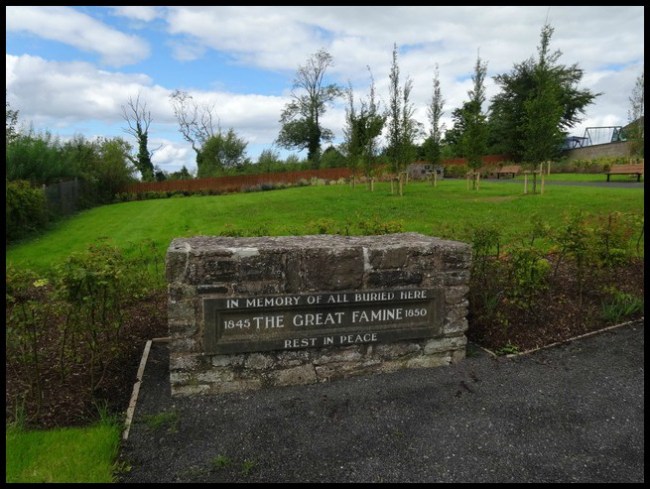
Irvinestown Famine Graveyard

168

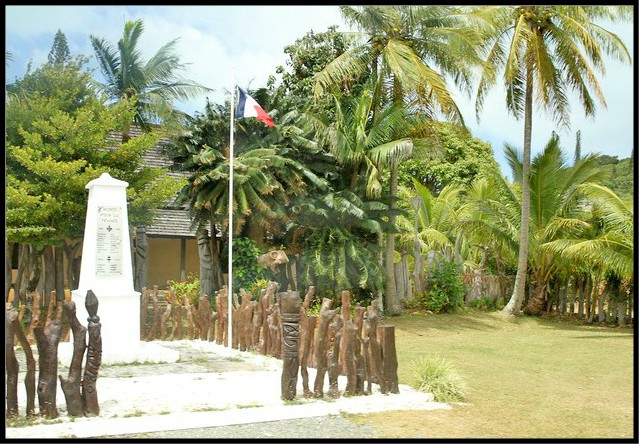
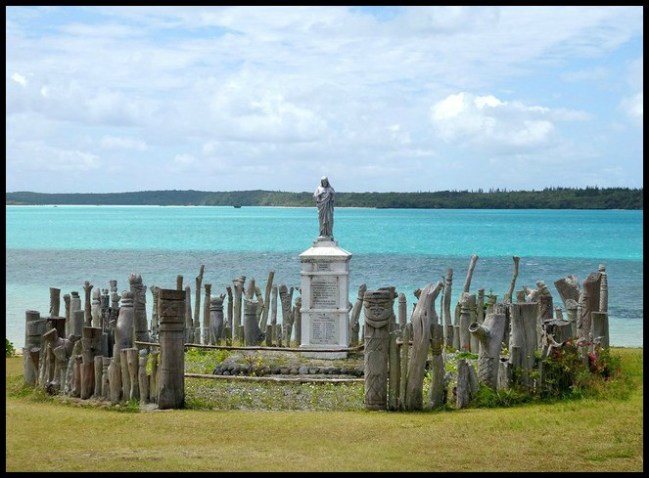
It is generally accepted that during the ten years, 1841 to 1851, Country Fermanagh lost over 40,000 people or 25% of her people due to a potato blight which lead to the famine (1845 to 1850) which reeked havoc throughout the island of Ireland. What is less clear is how many of the 40,000 died as a result of hunger or disease and how many emigrated. Of course thousands who might happily have emigrated perished, as they could not afford to leave their home areas. Continue reading “Irvinestown Famine Graveyard”

Enniskillen War Memorial

Enniskillen’s War Memorial at the intersection of Belmore Steet, the Queen Elizabeth Road and East Bridge Street was constructed in the aftermath of World War I to commemorate those who lost their lives in that war.

The Memorial stands about 6.5 metres high and is surmounted by a bronze figure of a lone private soldier in war kit, head bowed and leaning on his reversed rifle. I was particularly taken by the 1932 picture of the War Memorial (picture 2 above) taken by Fr.Francis Browne MC, former Chaplin to the Irish Guards. Continue reading “Enniskillen War Memorial”

Women of World War II Memorial

328

This is a relatively recent and perhaps overdue addition to the many memorials of London.

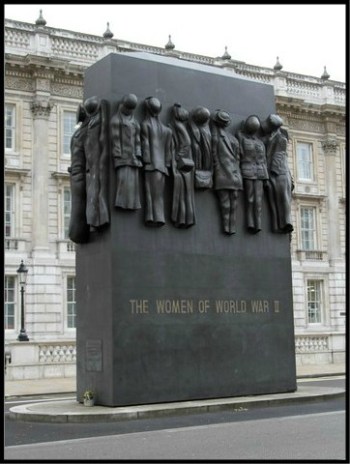
This memorial/cenotaph to the Women of World War II was unveiled by Queen Elizabeth II on 9 July, 2005 some 60 years after the end of World War II. The memorial, dedicated by Baroness Boothroyd, former Speaker of the House of Commons, commemorates the contribution of some 7 million women to the war effort, both in uniform and on the home front. Perhaps not well known, conscription for women began in 1941 and by 1943 nine out of 10 single women aged between 20 and 30 were working in factories, on the land or in the armed forces. Continue reading “Women of World War II Memorial”