
Until the arrival of European settlers, in the early 1800s, the Ngunnawal Aboriginal people were the only inhabitants of the Limestone Plains, which subsequently became Canberra. Continue reading “Reclamation – Culture, Spirit and Place”
Until the arrival of European settlers, in the early 1800s, the Ngunnawal Aboriginal people were the only inhabitants of the Limestone Plains, which subsequently became Canberra. Continue reading “Reclamation – Culture, Spirit and Place”

I had lived in Canberra for some 14 years and the last place I would have thought of going for a walk, let alone a walk to see modern sculptures, would have been the grounds of the Australian National University. Continue reading “The Australian National University Sculpture Walk”
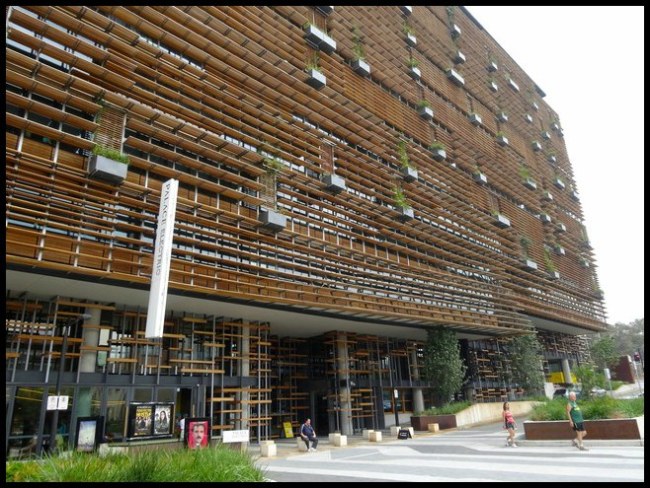
I am not a big fan of new “precincts” preferring the old and distinguished – or as friends tell me the decaying and dead. I like a place with soul and atmosphere so will return here in a few years to reassess New Acton as a whole. In the meantime I will pop in if individual events take my fancy (art / music and the like) or if I want to see a movie in the excellent Palace Cinema housed in the Nishi building. Continue reading “New Acton Arts Precinct”

Dear Reader – let me tell you a story – a story of Canberra’s first statue and war memorial.
In 1916 sculptor Bertram Mackennal, unable to sell this sculpture – entitled War or Bellona – Goddess of War – decided to offer it as a gift to Australia as a tribute to Australian solders in WWI (especially the ANZACs). It was accepted but it took five years before Prime Minister Hughes sent a thank-you letter – five years during which Bellona lay hidden in a Melbourne celler. Continue reading “Bellona – The Offensive Goddess”

The Sculpture Garden found around the Australian War Memorial was established in January 1999 with the aim of offering a place for quiet contemplation of the sacrifice of the many Australians who have died in war. It does this very well. Continue reading “War Memorial – Sculpture Garden”

“The earth moans beyond this gate’
These are the words inscribed on the face of the massive concrete structure which serves as the gateway to the former Salaspils (Kurtenhof) concentration camp. Continue reading “Salaspils Concentration Camp Memorial”
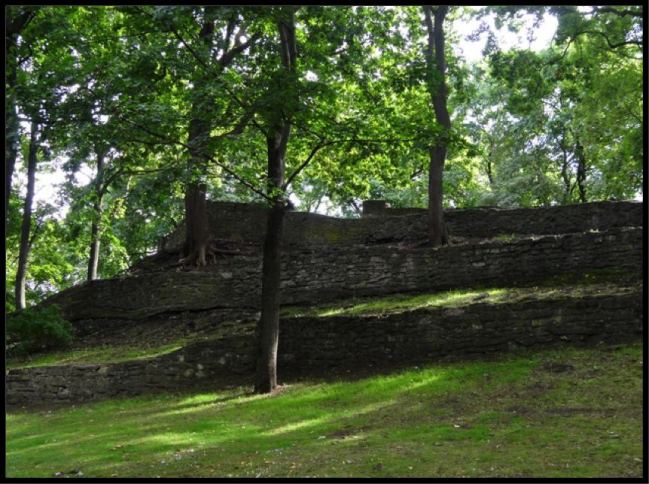
This small hill within what is now called Bastion Hill Park (Bastejkalns) is an artificial hill created between 1857 to 1863 when the city ramparts were dismantled after the Crimea War. By that stage, due to advances in warfare and weaponry, the ramparts no longer served any useful military purpose. Material from the ramparts was used to build up the banks of the former moat, now the winding Pilsētas kanāls, and create the 15m high Bastion Hill. The whole area was planted and developed and became Bastion Hill Park (Bastejkalns), now a delightful park between the Old City and the more modern city. Continue reading “Bastion Hill and Memorial Stones”
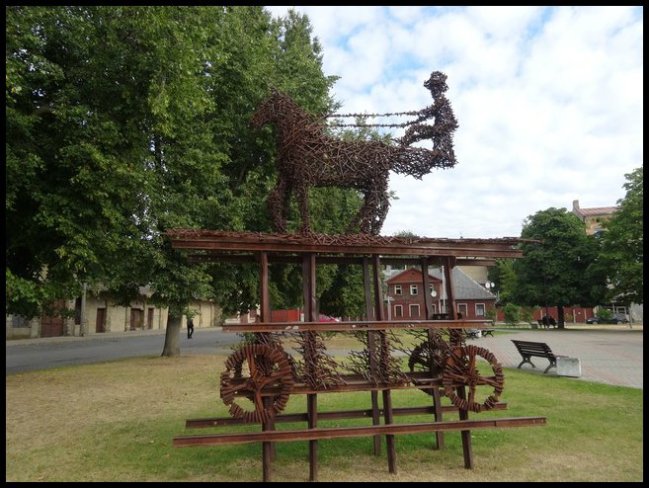
Trams first entered service in Riga in 1882. The city’s first trams were horse drawn and chugged along at around 10 km per hour, actually quite a respectable speed, I feel, when you consider they could carry up to 40 people. Continue reading “Horse Drawn Tram Sculpture”
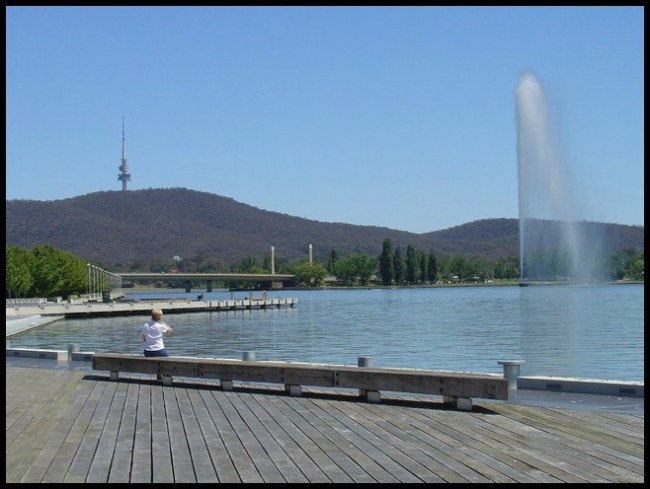
Inaugurated in April 1970 (with the accompanying globe referred to below) by Her Majesty Queen Elizabeth II to commemorate the bicentenary of Captain James Cook’s discovery of the east coast of Australia this fountain/jet sits in Lake Burley Griffin in front of the National Capital Exhibition at Regatta Point. Continue reading “Captain Cook Memorial Fountain and Globe”
 The Rambling Wombat