
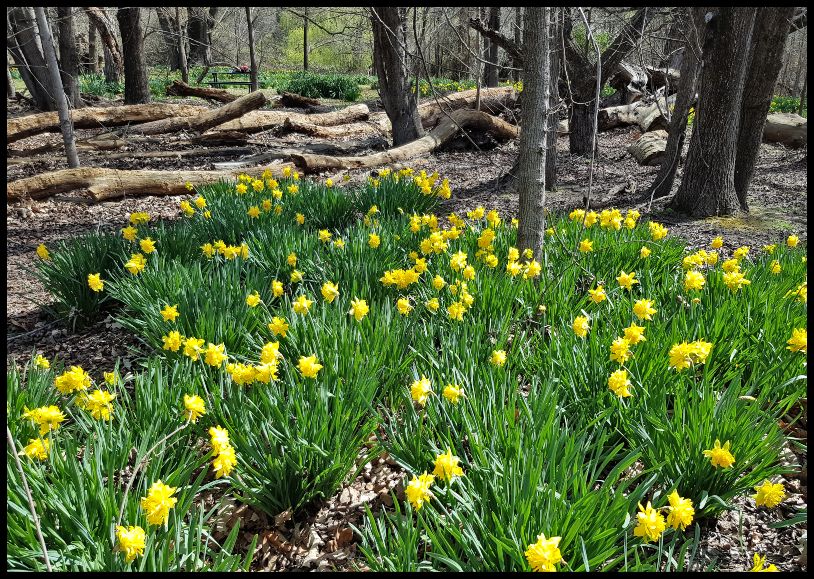
There are three official walking tracks to the former Sherwood Homestead, about 35 kilometres drive from Canberra. I have written separate reviews on the other two – from Blue Range Hut (the most popular approach) and from East-West Road (the easiest). This review covers the walk from Mountain Creek Road but as I could not resist the temptation to take in two peaks in the vicinity of the former homestead the 8.4 kilometres official walk increased to 11 kilometres and became somewhat more difficult, on the huffing and puffing scale.
Continue reading “Sherwood Homestead (Former) Walk via Mountain Creek Road (Plus)”
Sherwood Homestead (Former) Walk Via East-West Road
There are three official walking tracks that end up at the very little that remains of the former Sherwood Homestead, about 45 kilometres from Canberra. The walks vary between 6.8 kms (this one) and 8.4 kms return. I have written a seperate reviews on the walk in from Mountain Creek Road and the walk in from the Blue Range Hut which, in itself, is of historical significance to the Canberra region and is now home to a camping site, making it the most popular starting point to get to Sherwood Homestead.
Continue reading “Sherwood Homestead (Former) Walk Via East-West Road”
Jerrabomberra Mountain Reserve – Summit Walk
As a continuation of my exploration of the New South Wales – Australian Capital Territory(ACT) border city of Queanbeyan, started the week before, I thought it would be a good idea to go for a walk to the summit of nearby Mount Jerrabomberra from which there are expansive views down over the city. An added treat, I read, would be the views back to the ACT summits of Black Mountain, Mount Ainslie and Mount Majura, as well as views out towards the distant Brindabellas. The also touted views down to the Hume light industrial estate were less of a drawcard, for me. Continue reading “Jerrabomberra Mountain Reserve – Summit Walk”

Fishing Gap Walk (and part of Mount Domain)
The Fishing Gap walk which, insofar as I can ascertain, has nothing whatever to do with fishing or fisherfolk is a moderate eight kms (return) walk within the Tidbinbilla Nature Reserve, just to the south of Canberra. Continue reading “Fishing Gap Walk (and part of Mount Domain)”
Uriarra Loop Walk
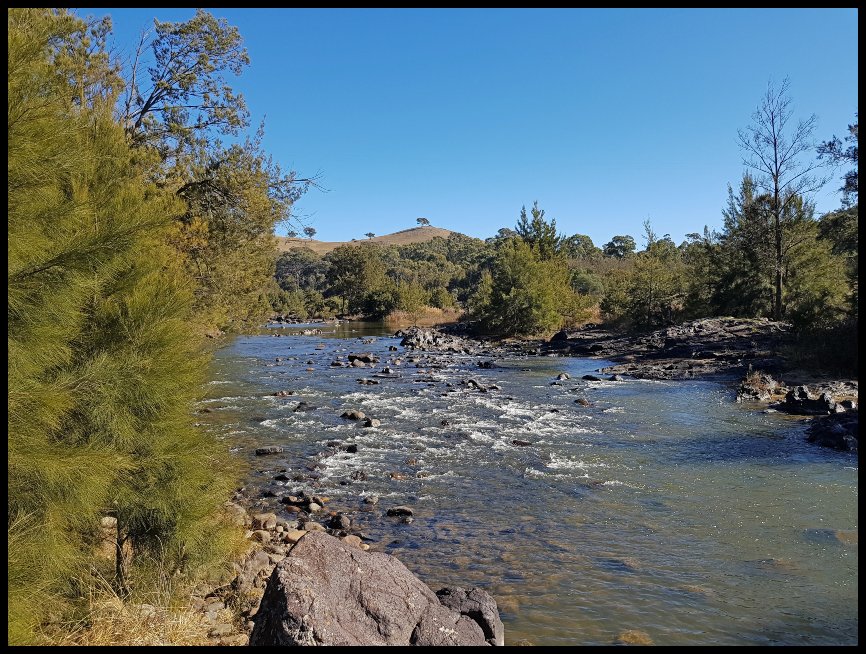
Having enjoyed a bird’s eye view of the Murrumbidgee River and the surrounding hills and countryside from Shepherd’s Lookout and the Molonglo River Track as I made my way down from the Lookout to the Molonglo River it was time for a gentler, though in part undulating, walk at river level. Continue reading “Uriarra Loop Walk”
Molonglo River Track (Crossing) – By Way of Shepherd’s Lookout
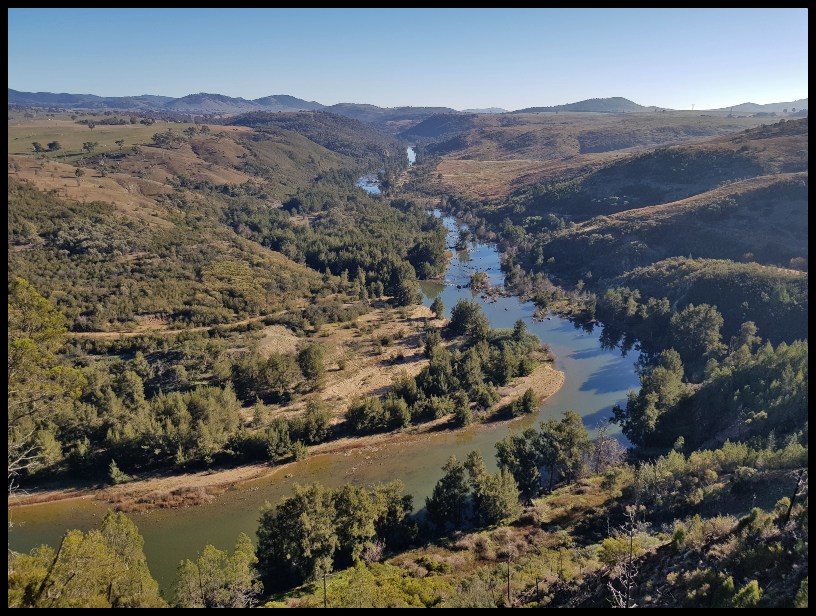
Notwithstanding the title of this review a primary focus of this walk is the Murrumbidgee River, just before it leaves the Australian Capital Territory (ACT) on its long path to Balranald where it joins with the Murray River. This in turn takes its waters to the Indian Ocean, south of Adelaide, in South Australia. Continue reading “Molonglo River Track (Crossing) – By Way of Shepherd’s Lookout”

Cooma – Gateway to the Snowy Mountains
Cooma is a New South Wales (Australia) country town of nearly 7,000 people and is generally regarded as the capital of the Snowy Mountains region. It is located about 110 kilometres south of Canberra (Australia’s Capital) and 90 kilometres from the ski resorts of the Snowy Mountains. Continue reading “Cooma – Gateway to the Snowy Mountains”
Wittunga Botanic Garden – Australia v South Africa
The South Australian Government manages three botanic gardens in the Adelaide area:
The Adelaide Botanic Garden
Mount Lofty Botanic Garden
Wittunga Botanic Garden.
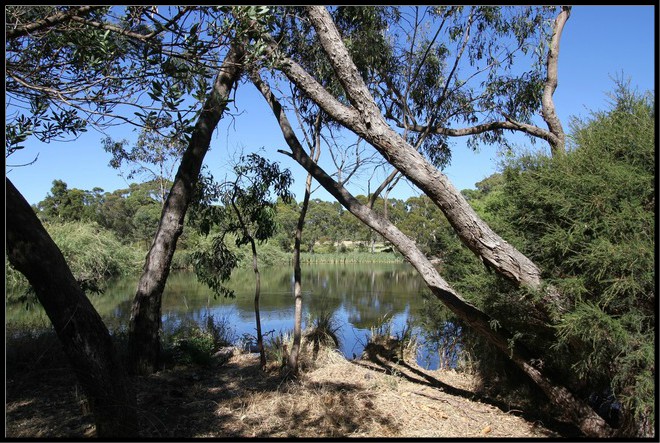
The 14 hectares Wittunga Botanic Garden was established by Edwin Ashby in 1902 though it did not come into state ownership until 1965. It was opened to the public in 1975 and contains and extensive collection of plants from Australia and South Africa (mainly from the Cape Province district which has similar climatic conditions to Adelaide). Continue reading “Wittunga Botanic Garden – Australia v South Africa”
Waterfall Gully – Oasis On City Outskirts
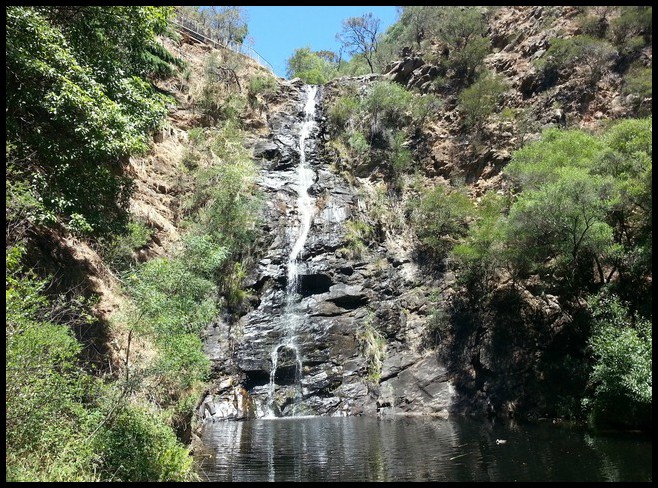
Located in Cleland Conservation Park, Waterfall Gully is home to the largest (18m) of seven waterfalls in the park and is a lovely spot to visit, in itself, from Adelaide (10kms) or as a base for a very popular 4km (each way) walk to Mount Lofty summit (see separate review). Even if not walking the whole way to Mt Lofty summit I recommend you at least go up to the top of the first falls and perhaps as far as the second falls (about 500m). Continue reading “Waterfall Gully – Oasis On City Outskirts”
Australian National Botanic Gardens

Allow yourself about two hours (more if you want to sample the café in the gardens which I thoroughly recommend you do) to see these delightful and varied gardens. The National Botanic Gardens, run by the Government, specialises in Australian native plants and contains nearly 7,000 of some 18,000 identified species found in Australia, all set in Canberra’s bushland environment. Continue reading “Australian National Botanic Gardens”
 The Rambling Wombat