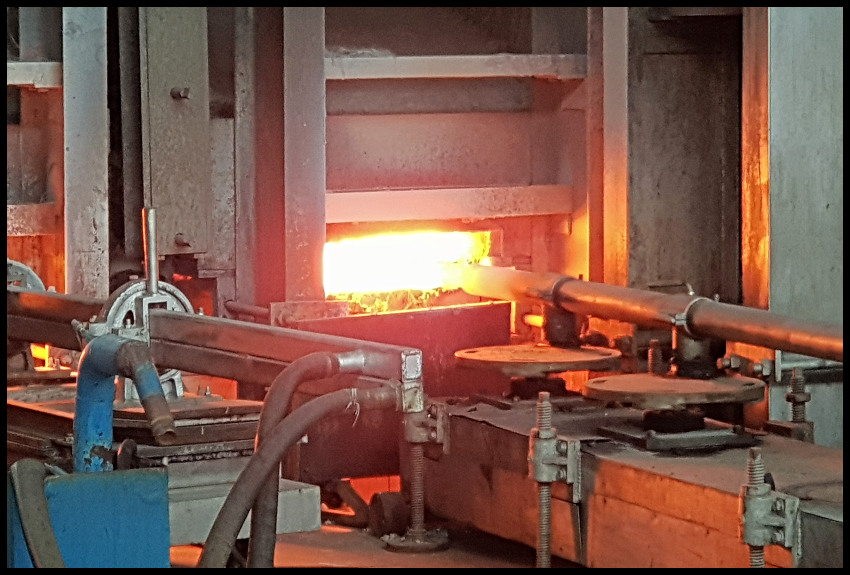
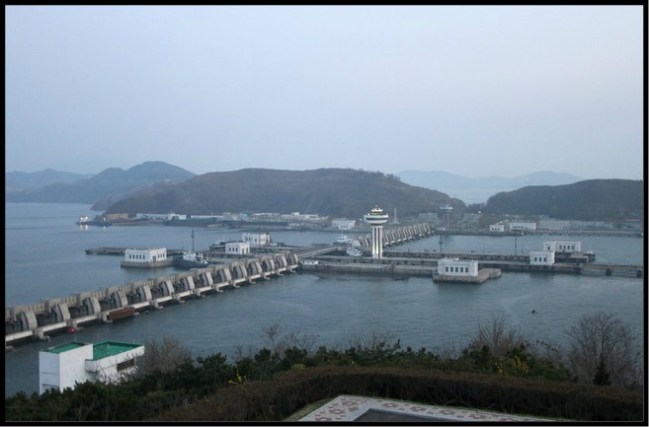
In 2018 our route to the Demilitarised Zone (DMZ) on the border with South Korea took us via Nampo, North Korea’s west coast industrial city and home to the West Sea Barrage. En route to Nampo we stopped at the Taean ‘Friendship’ Glass Factory. No, we were not stopping there to see a glass blowing display or view their offering of cut glass or crystal in a gift shop. They don’t have a gift shop and we where there to see them making large sheets of plate glass for use in glazing windows. Who doesn’t enjoy a good old factory visit while on holidays? Continue reading “Taean ‘Friendship’ Glass Factory”
Poverty Corner
 Come back with me 100 years, if you will.
As you may have picked up from others of my reviews, Port Adelaide was, by the end of the 19 century and into the 20th century a thriving Port and many people were making lots of money – but not everyone.
Work at sea and within the port was hard, the hours were long, working conditions were seldom good and the pay was poor. This was especially so for unskilled labourers. Trade unions were only in their infancy in the late 1800s and social security payments were unheard of. Continue reading “Poverty Corner”
Workers Memorial
 Port Adelaide has, since the 1830s when Colonel William Light, the first Surveyor-General of the Colony of South Australia and designer of Adelaide, decided that it and Adelaide should be distinct separate entities, always been a blue collar or working class area. The gentry resided in Adelaide. This division, by and large, remains to this day.
Outside socialist countries one rarely comes across grand or tasteful monuments or memorials to the working classes. It was thus somewhat of a surprise when I came across this memorial and determined that it was to the working man (and indeed woman). Continue reading “Workers Memorial”
Saving the Loo – Woolloomooloo Murals
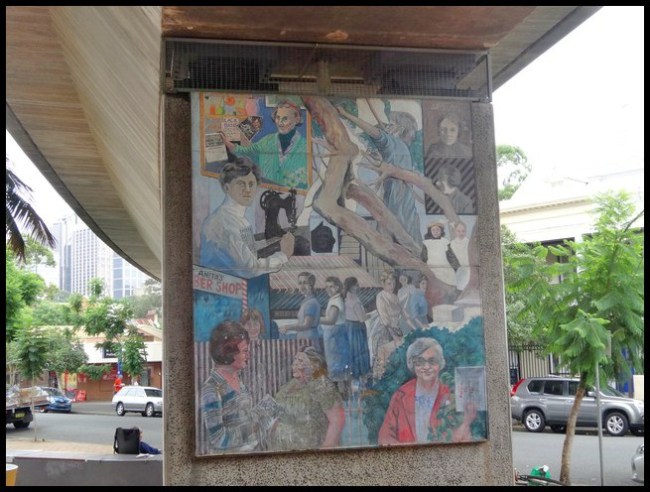
Woolloomooloo (or the Loo) is an inner-city harbour-side suburb adjoining Sydney’s central business district. It has traditionally been a working class residential suburb housing waterside workers and their families – a latter days version of the Rocks, if you like. Of late, gentrification has taken place. Continue reading “Saving the Loo – Woolloomooloo Murals”
Remembering Workplace Losses
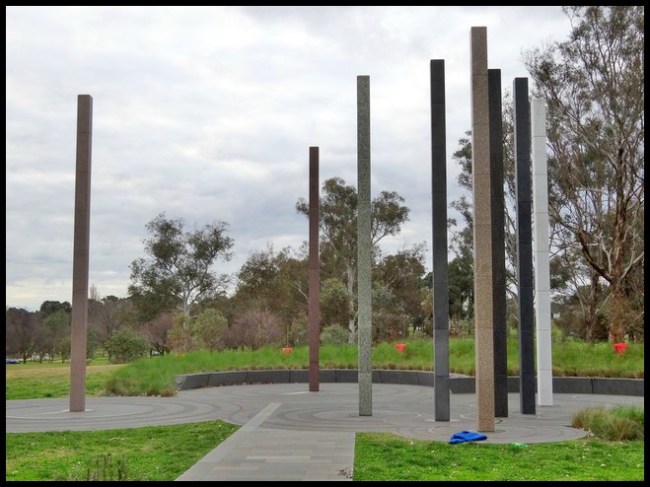
Without in anyway wanting to take from the reason for this memorial, it is, for me, one of the least aesthetically pleasing of Canberra’s many memorials. While it is a very smart and inspired design to appreciate it fully one would really need to see it from above. Additionally, its location (deliberate though it is), tucked away from the lakeside and close to the busy Morshead Drive means that you are unlikely to stumble across it walking around the lake. It took me, a very frequent visitor to the area, over three years to happen upon it. Continue reading “Remembering Workplace Losses”
The Wharfie’s Mural at the Maritime Museum

The Wharfie’s Mural, part of which is on display in the Australian National Maritime Museum, is a classic example of working class art in Australia.
Socialist realist in style, the mural depicts the lives and struggles of Australian waterside workers as well as major themes in the history of Australian (and indeed international) workers more generally from the mid 1800s to WWII and beyond, all the time exalting the struggle of workers against oppression and extolling the power of unity. Continue reading “The Wharfie’s Mural at the Maritime Museum”
Sinuiju Art Gallery
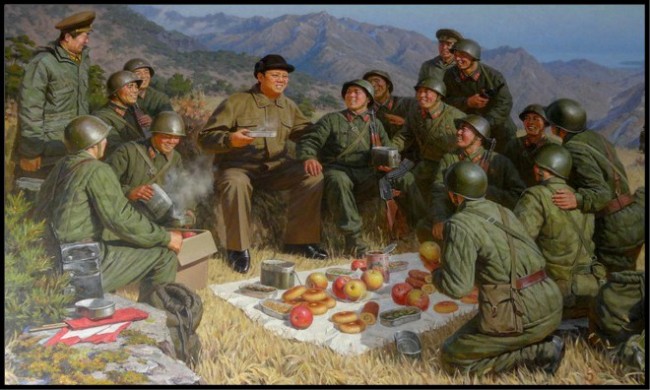
Having eaten it was now time for an afternoon of culture before we had to bid farewell to Sinuiju and to North Korea.
Our first stop was the Sinuiju Art Gallery. Continue reading “Sinuiju Art Gallery”
1905 – Bloody Sunday Monument

On Sunday, 9th January 1905 (Bloody Sunday) hundreds of workers protesting against oppressive labour practices and seeking improved living conditions were killed by the Tsar’s guard in St Petersburg. This heavy handed response by Tsar Nicholas II set off the failed 1905 Revolution. Some say it also spurred on the successful 1917 Revolution, which saw the Bolsheviks seizing power from the Tsar and the creation of the communist Soviet Union. Continue reading “1905 – Bloody Sunday Monument”
The Tower of the Juche Idea
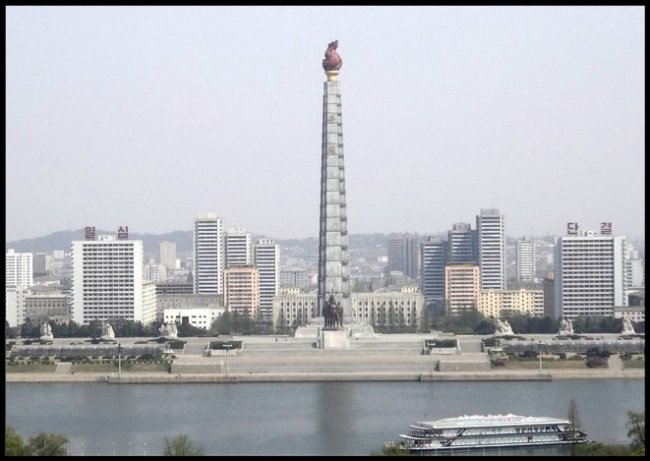
By the end of the Korean War (1953) Kim Il-sung had had enough of foreign imperialist intervention in the affairs of Korea. He had, with more than a little help from the Soviet Union, something, which now seems to have been forgotten about, managed to stem Japanese Imperialism and remove them from Korea in 1945. In 1953 he had defeated the United States in the Fatherland Liberation War (to outsiders the Korean War) though the US continued to occupy the southern part of the country as it does to this day. Continue reading “The Tower of the Juche Idea”
 The Rambling Wombat