
While we are all very familiar with war memorials which remember, or act as a memorial to, people who took part in and/or died in wars one occasionally finds one to animals, most commonly horses. Continue reading “War Horse Memorial”
While we are all very familiar with war memorials which remember, or act as a memorial to, people who took part in and/or died in wars one occasionally finds one to animals, most commonly horses. Continue reading “War Horse Memorial”
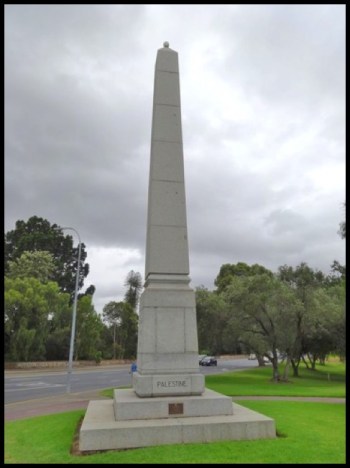 The Light Horse Memorial is dedicated to South Australian Light Horsemen who paid the supreme sacrifice in World War I, specifically in three theatres of war – Egypt, Palestine and Gallipoli. Continue reading “Light Horse Memorial”
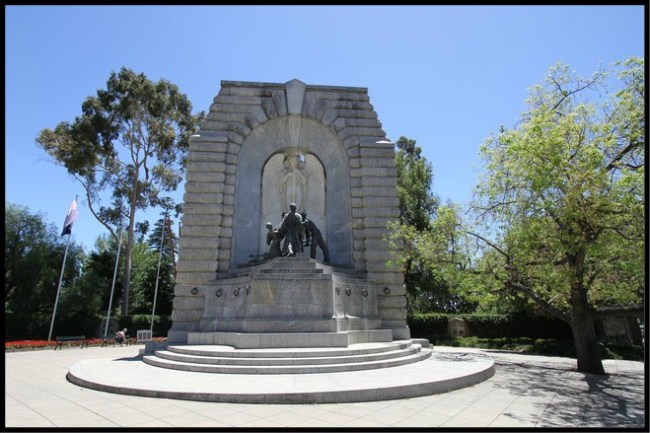
The National War Memorial has a prime corner sight at the intersection of North Terrace and Kintore Avenue and was opened in 1931 to commemorate those South Australians who gave their lives in World War I between 1914 and 1918. Why it is called the “National” War Memorial is not clear as it only commemorates South Australians lost during the War – perhaps initial intentions differed. Continue reading “National War Memorial – Lest We Forget”
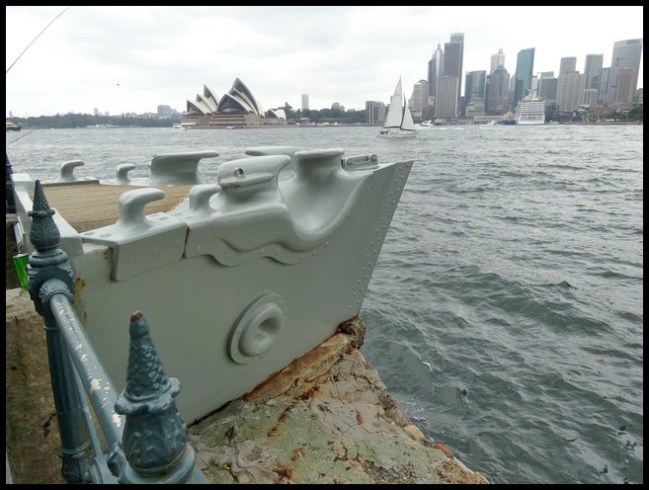
The arrival of the Royal Australian Navy’s fleet into Sydney Harbour on 4 October 1913 was a great moment in Australian history. Australia now had direct control of the seas around the continent and no longer had to rely on the British Royal Navy. One ship in that fleet was the cruiser HMAS Sydney (I).

Given my liking for anything to do with trains and railways, I have a particular liking for Young’s former Railway Station, but for many visitors the Town Hall on Boorowa Street is Young’s most striking building. Were it not for the fact that it incorporates the towns rather tasteful and distinctive World War I Memorial it might be less so. Continue reading “War Memorial and Town Hall”
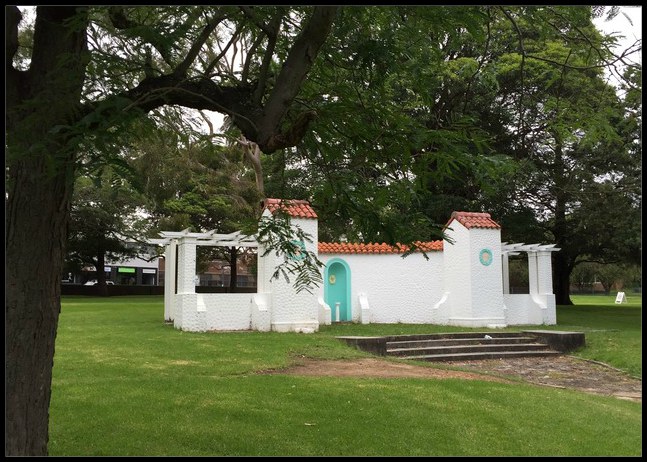
This war memorial, in the grounds of the former Callan Park Hospital for the Insane (later the Rozelle Hospital and now the Sydney College of the Arts and part of the University of Sydney) stands out from all other Australian War Memorials that I have seen. Continue reading “Callan Park (Rozelle Hospital) War Memorial”
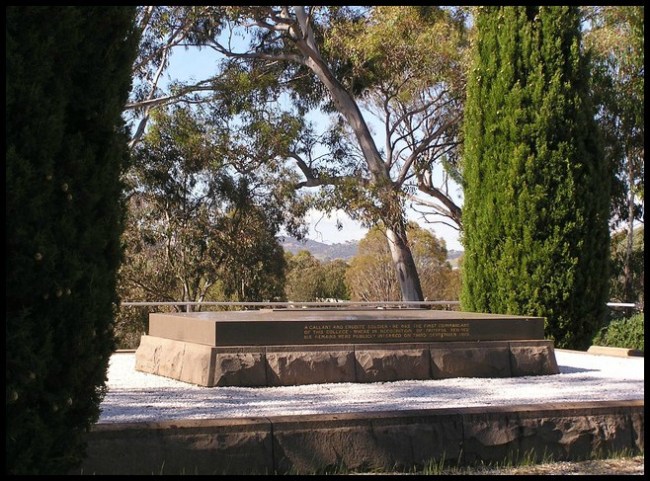
Major General William Bridges, the first commandant of the Royal Military College, Duntroon and the first commander of the Australian Imperial Forces, was killed by a sniper early in the WWI Gallipoli campaign. Continue reading “Major General William Bridges – Grave”

For the best view of Georgetown, the island’s capital, there is nowhere that can compare with the view from Fort Bedford. More on the view later but it should also be clear from the picture above why Fort Bedford, tasked with defending the capital, is located where it is – half way up Cross Hill, just behind Georgetown. The peak of Cross Hill remains a military site and thus out of bounds. Continue reading “Fort Bedford”

I had not planned on visiting the University of Sydney but one Sunday morning I was having a look around Victoria Park before heading into the suburb of Glebe to do a bit of exploring when I noticed the clock tower of the university from the park and decided to go up and have a quick look at the building. Continue reading “University of Sydney”
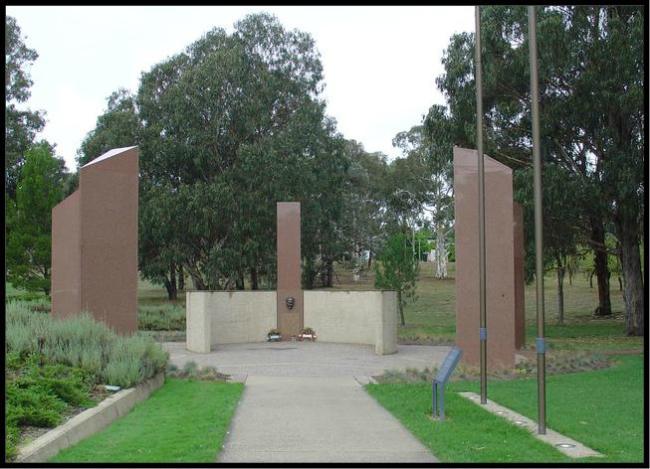
This Anzac Parade memorial, a crescent-shaped wall and five pillars derived from the symbol and star on the Turkish flag was dedicated on 25 April 1985 to commemorate the 70th anniversary of the Gallipoli landing. It honours Kemal Ataturk, commander of Turkish forces at Gallipoli and later the first president of modern Turkey, as well as the heroism and sacrifice of both the ANZAC and Turkish troops who took part in the campaign. Continue reading “Kemal Ataturk Memorial”
 The Rambling Wombat